
Japanese Knife Sets vs Single Knives: Which is Better?

When building your kitchen arsenal, one of the first decisions you face is whether to invest in a japanese kitchen knife set or buy individual knives. Both approaches have passionate advocates, and the right choice depends on your cooking habits, budget, and how you like to work in the kitchen. In this guide we compare the pros and cons to help you decide.
Japanese knives are known for their sharpness, edge retention, and thoughtful design. Whether you are a home cook who prepares meals daily or an enthusiast who wants professional tools, the choice between a set and singles affects not only your wallet but also your daily cutting experience. We will examine the strengths and weaknesses of each path, focusing on what matters most: how you cook. Beyond the initial purchase, factors like blade steel, handle comfort, and storage space play a big role in long term satisfaction.
The Appeal of a Japanese Knife Set
A japanese cooking knives set typically includes several essential blades curated for a range of tasks. Many sets come with a block or magnetic strip for storage. The appeal is convenience: you get a matched collection that covers slicing, dicing, and chopping without having to research each knife separately. Sets like 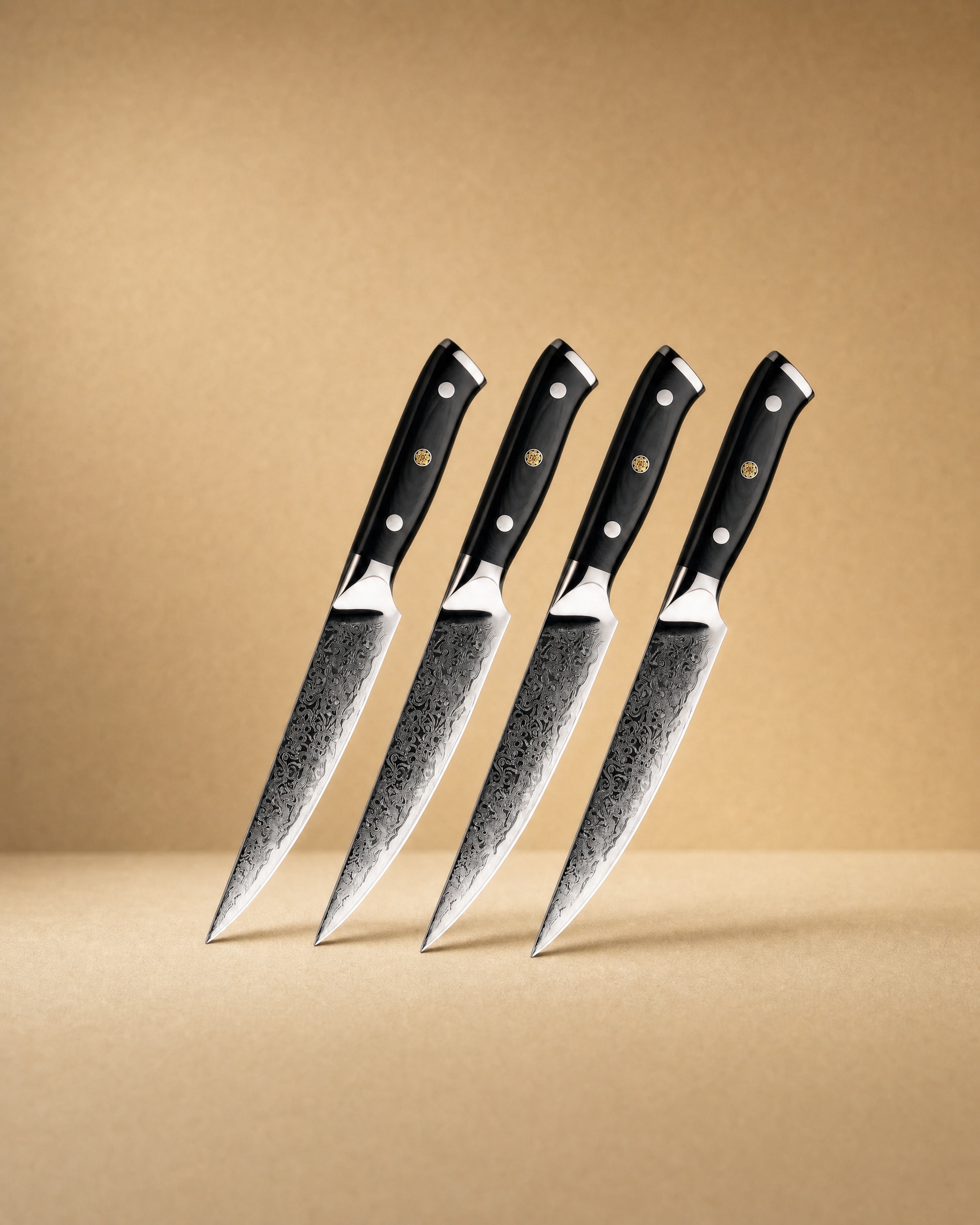 Suma 4.5" Damascus Steel Steak Knife Set 4 pieces ステーキナイフ$149.99 · currently out of stockView product → offer a focused set of steak knives that shine for meat prep and everyday use. These 4.5 inch blades are ideal for portioning cooked steaks, trimming fat, or even slicing small fruits and vegetables. A full japanese knife set with block might include a gyuto, a nakiri, a petty, and a bread knife, all designed to work together. For many home cooks, this is a practical way to start with Japanese steel.
However, sets often include knives you may not use frequently. A standard block set might have a boning knife or a carving knife that sits idle if you rarely break down large cuts of meat. That is why it helps to examine what you actually cook before committing to a set. If you entertain often and serve steaks, a steak knife set like Suma 4.5" Damascus Steel Steak Knife Set 4 pieces ステーキナイフ$149.99 · currently out of stockView product → is a perfect addition. For someone who bakes regularly, a bread knife like 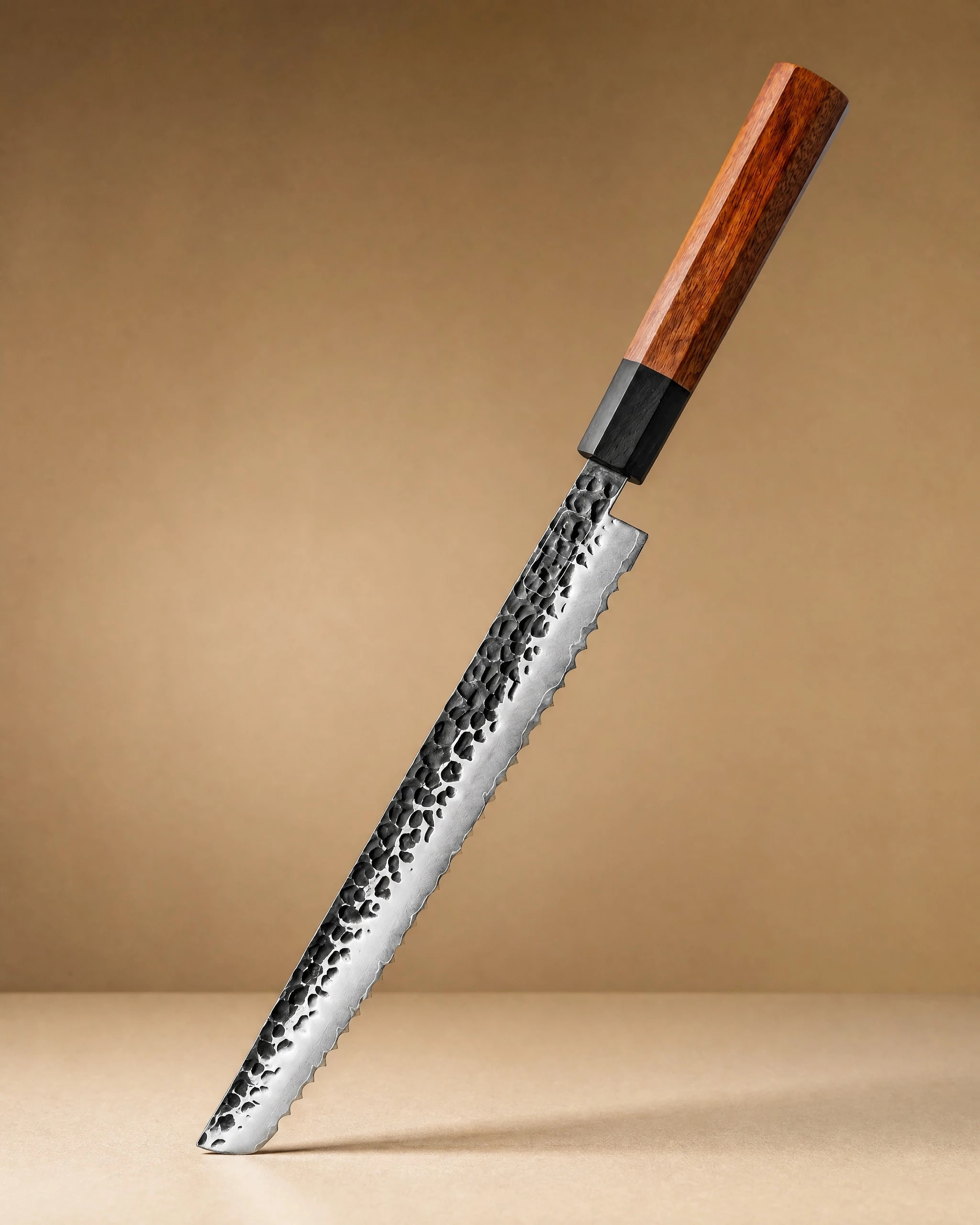 Rumoi 10" Japanese Bread Knife パン切りナイフ$74.99 · currently out of stockView product → is essential, but a general set might include one that is too short or too flexible. The key is to match the set to your cooking patterns. A set built around a gyuto, a petty, and a bread knife covers most tasks without waste.
- Pros of sets: convenience, matched aesthetics, often lower upfront cost per knife, storage included.
- Cons of sets: may include knives you do not need, quality sometimes compromised to keep price low, less flexibility to upgrade individual pieces.
Why Single Knives Offer Flexibility
Buying single knives lets you customize your collection to your exact needs. You can invest in a top-tier gyuto like 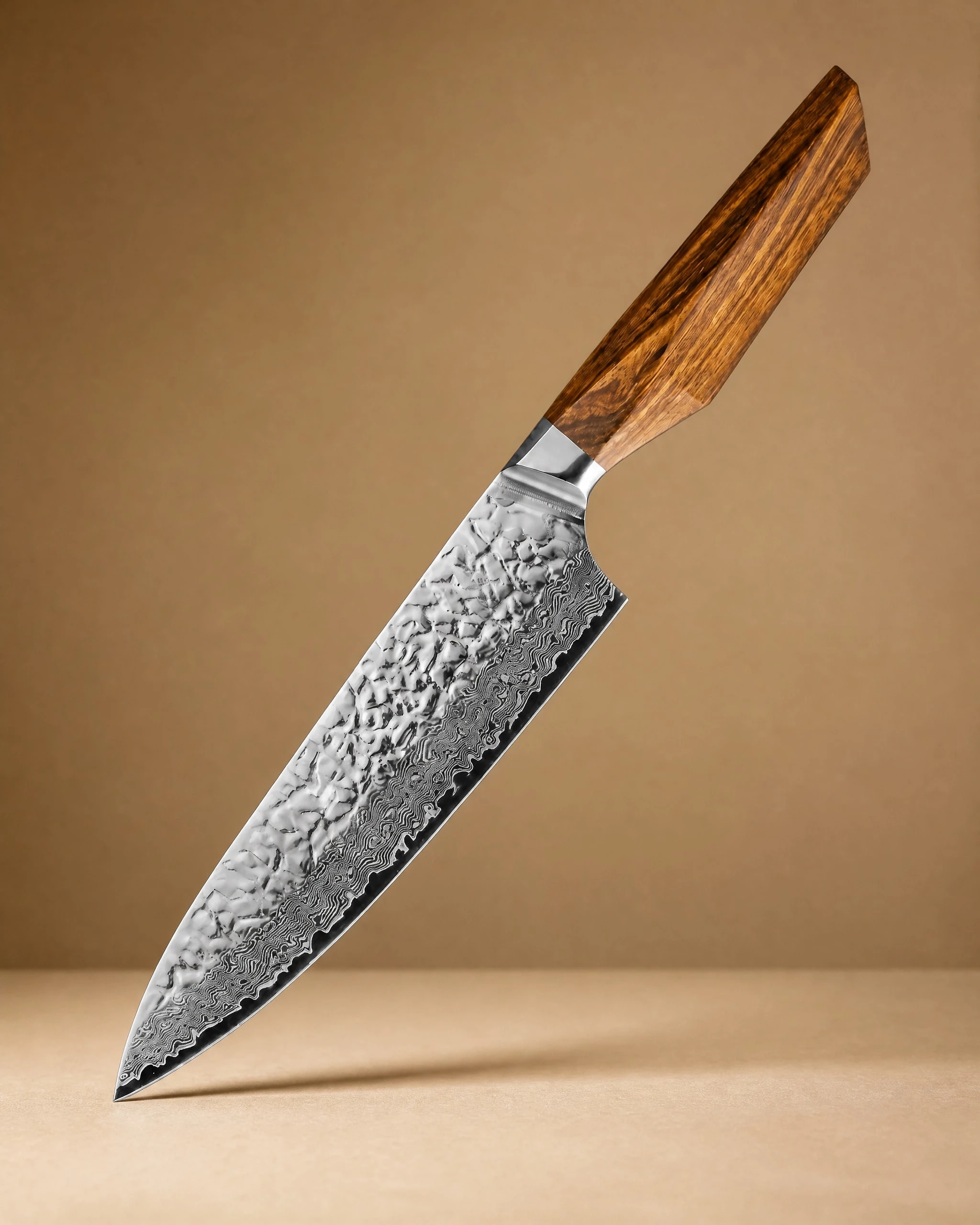 Muko 7.9" Damascus Steel Gyuto Knife 牛刀$99.99 · currently out of stockView product → or
 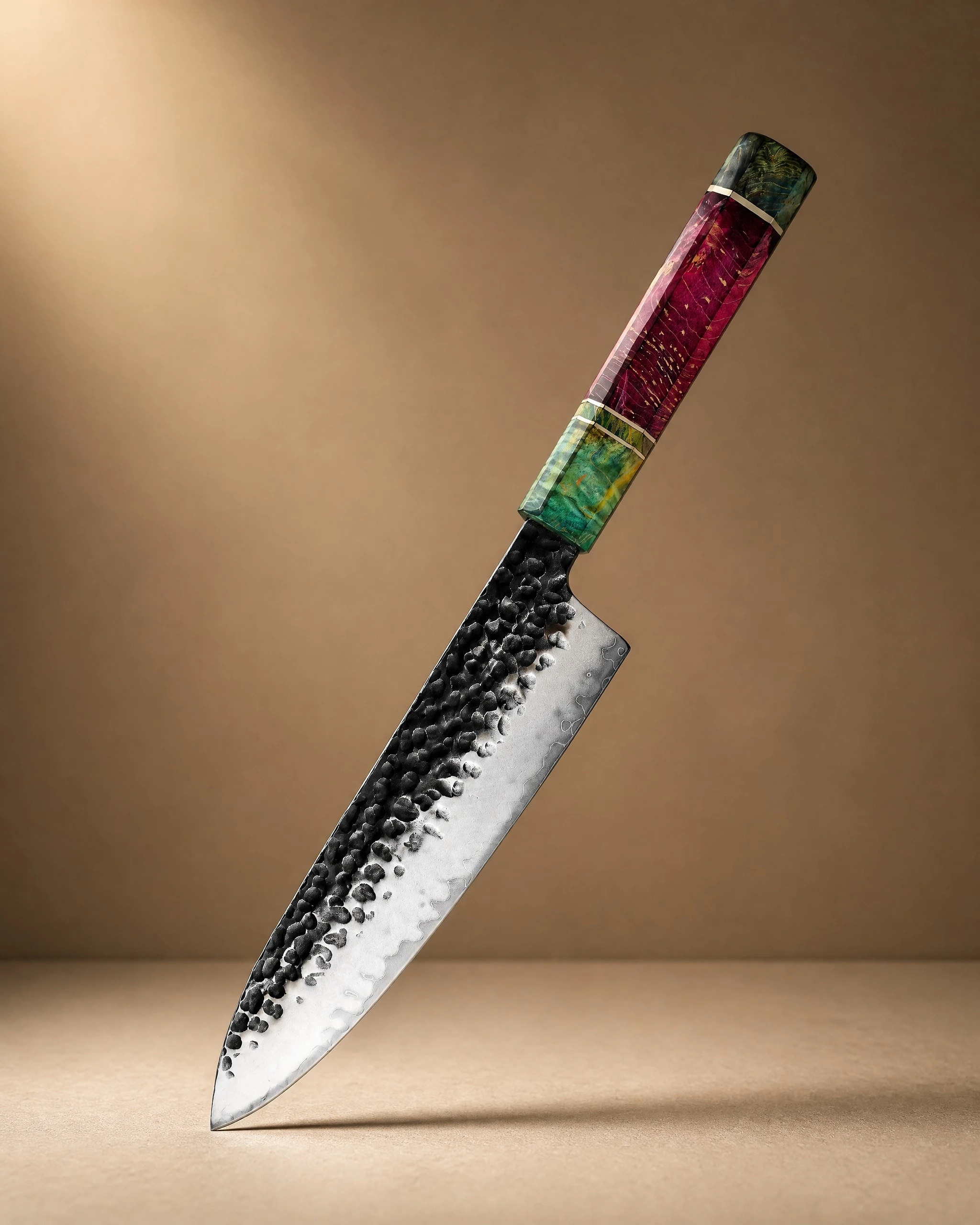 Natori 8" Gyuto Knife 牛刀$89.99 · currently out of stockView product →, both of which are versatile chef’s knives that handle 90% of tasks. The 8 inch blade length of Natori 8" Gyuto Knife 牛刀$89.99 · currently out of stockView product → is a classic all rounder, while the 7.9 inch damascus steel gyuto from Muko 7.9" Damascus Steel Gyuto Knife 牛刀$99.99 · currently out of stockView product → adds a touch of artistry with its layered pattern. You can then add a bread knife like Rumoi 10" Japanese Bread Knife パン切りナイフ$74.99 · currently out of stockView product → only if you bake often, and a steak knife set like Suma 4.5" Damascus Steel Steak Knife Set 4 pieces ステーキナイフ$149.99 · currently out of stockView product → only if you serve meat at the table. This approach often yields higher quality per dollar because you are not paying for knives you will not use. The best japanese kitchen knife set for you may actually be a curated collection of singles.
Single knives also allow you to focus on specific handle shapes, steel types, and blade geometries. Japanese knife steel ranges from soft stainless to hard carbon alloys like VG-10, Aogami, or Shirogami. A damascus japanese knife set offers beautiful layered steel but you might prefer a single damascus gyuto and a simpler bread knife. A damascus knife set japanese in a block can be stunning, but a single damascus gyuto from Shimeru gives you that artistry without the extras. If you are particular about handle materials or blade thickness, buying singles gives you full control. For example, a western handle may suit someone with larger hands, while a wa (Japanese) handle appeals to traditionalists.
Quality Differences: What You Pay For
When comparing a set versus singles, quality is often the deciding factor. A set sold at a certain price point may compromise on steel or handle materials to keep the price low for multiple knives. In contrast, buying single knives lets you choose the best japan knife set for your budget by selecting individual pieces from the same maker or line. For instance, a japanese steel knife set may use a basic stainless across the board, but a single gyuto can be made of premium Aogami Super or SG2 with a harder edge that stays sharp longer. The heat treatment and grind also vary more in single knives, allowing you to pick a blade geometry that suits your cutting style, whether you rock chop, push cut, or slice.
With singles, your money goes directly into the knife you will use most. A high-quality gyuto like Natori 8" Gyuto Knife 牛刀$89.99 · currently out of stockView product → or Muko 7.9" Damascus Steel Gyuto Knife 牛刀$99.99 · currently out of stockView product → will outlast and outperform a mid-range set knife that costs the same. Many professional chefs own only two or three knives and maintain them carefully. That is a lesson home cooks can follow: invest in fewer, better knives. If you already own a solid chef knife, a dedicated steak knife set like Suma 4.5" Damascus Steel Steak Knife Set 4 pieces ステーキナイフ$149.99 · currently out of stockView product → adds value for specific tasks without breaking the bank. Bread knives like Rumoi 10" Japanese Bread Knife パン切りナイフ$74.99 · currently out of stockView product → are also worth buying singly because the serrated edge requires less frequent sharpening, and a 10 inch blade handles large loaves and melons with ease.
Storage and Maintenance Considerations
A japanese knife set with block takes up counter space and may encourage storing knives in slots that dull the edge over time. A magnetic strip or drawer insert for single knives is often more space efficient and protects the blade. Think about your kitchen layout. If you have limited counter space, a set of singles stored on a magnetic strip keeps your knives accessible and your counters clear. If you prefer a tidy block on the counter, choose a set that includes a block with soft slots that do not damage the edge.
Maintenance is similar for sets and singles: you need a good whetstone or honing rod, and you should dry knives immediately after washing. No knife should go in the dishwasher, regardless of whether it came in a set or as a single. For detailed care routines, check our knife care guide. With single knives, you can tailor your sharpening technique to each blade's steel type. Harder steels benefit from water stones with fine grit, while softer stainless can be touched up with a ceramic rod. A bread knife like Rumoi 10" Japanese Bread Knife パン切りナイフ$74.99 · currently out of stockView product → requires a diamond rod or professional service due to its serrations.

Matching Blades to Your Cooking Style
Your daily menu should guide your selection. If you often cook vegetables, a nakiri or a gyuto is your best friend. If you are a bread baker, the 10 inch bread knife Rumoi 10" Japanese Bread Knife パン切りナイフ$74.99 · currently out of stockView product → is indispensable for clean slices through crusty loaves without crushing them. For meat lovers, a steak knife set like Suma 4.5" Damascus Steel Steak Knife Set 4 pieces ステーキナイフ$149.99 · currently out of stockView product → ensures that each serving is cut neatly at the table. A gyuto like Natori 8" Gyuto Knife 牛刀$89.99 · currently out of stockView product → or Muko 7.9" Damascus Steel Gyuto Knife 牛刀$99.99 · currently out of stockView product → handles proteins and produce alike, making it the most versatile single knife. Consider also the blade length: 8 inches offers balance for most home cooks, while longer blades provide more slicing power for larger items.
Think about your knife skills too. Beginners often appreciate a set that covers all basics, while experienced cooks may prefer to hand pick each knife for a specific task. If you are building a set gradually, start with a gyuto and a petty knife, then add a bread knife and steak knives as needed. This way you can spread the cost and avoid duplicates.
Making the Choice for Your Kitchen
Start by evaluating your cooking style. If you are a home cook who prepares a wide variety of dishes and prefers convenience, a curated japanese cooking knives set might save you time and money. Just be sure the set matches your tasks. If you are a dedicated cook who values precision and wants to build a kit over time, single knives give you control. The best approach for many is to buy one excellent single gyuto and supplement it with a few specialized blades as needed.
Consider your budget over time. A $100 set may seem appealing, but a $100 single gyuto will outperform it. If you can afford to invest gradually, start with a top-quality gyuto like Muko 7.9" Damascus Steel Gyuto Knife 牛刀$99.99 · currently out of stockView product → and add a bread knife later. If you need multiple knives right away, look for a three-piece set that includes only the essentials. You can always upgrade individual pieces later. For those who entertain, a steak knife set like Suma 4.5" Damascus Steel Steak Knife Set 4 pieces ステーキナイフ$149.99 · currently out of stockView product → adds elegance to the table and frees your chef knife for other prep.
Who Each Knife Suits Best
The Suma 4.5" Damascus Steel Steak Knife Set 4 pieces ステーキナイフ$149.99 · currently out of stockView product → steak knife set is ideal for households that serve steaks or roasts regularly and want a matching set for the dinner table. The compact 4.5 inch blade also works well for small chopping tasks and is safe for less experienced cooks. The Rumoi 10" Japanese Bread Knife パン切りナイフ$74.99 · currently out of stockView product → bread knife suits bakers and anyone who frequently cuts large, crusty breads or melons. Its 10 inch length provides enough stroke for tall loaves without sawing. The Natori 8" Gyuto Knife 牛刀$89.99 · currently out of stockView product → gyuto is a classic choice for the home cook who wants a single do-it-all knife and prefers a traditional profile. The Muko 7.9" Damascus Steel Gyuto Knife 牛刀$99.99 · currently out of stockView product → damascus gyuto appeals to those who appreciate handcrafted aesthetics and want a high performance blade that stands out on the counter. All four are built for everyday prep and reward regular care.
Final Thoughts
Ultimately, there is no universally correct answer. Both japanese kitchen knife sets and single knives have their place. The key is to buy quality over quantity, choose blades that fit your hand and your cooking, and maintain them properly. Whichever path you take, a good Japanese knife will make your time in the kitchen more enjoyable. To see our full range of options, visit our knife shop or browse the knife sets category. For help choosing your first knife, our knife guide offers practical advice.
Photography: EMANUELE Ricciardi via Unsplash.


