
Whetstone for Garden Tools
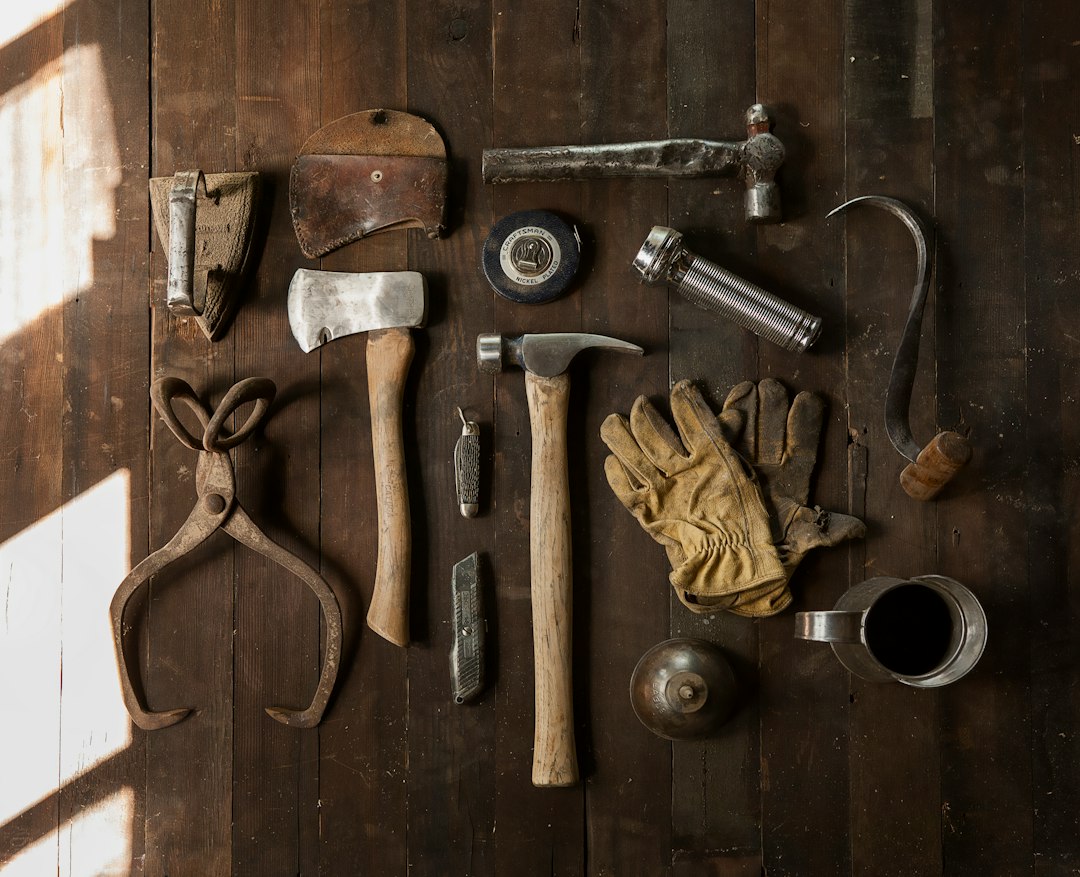
A whetstone is a simple tool: an abrasive block, a little water or oil, and a blade drawn across it at a steady angle. That simplicity makes it tempting to use one on every edged thing in the shed. For some garden tools, a whetstone is excellent. For others, it is the wrong tool for the job. The difference is not brand loyalty or mystery. It is steel, geometry, and how much dirt the edge meets.
This guide covers where a whetstone for garden tools makes sense, where a file or grinder is the better answer, and how to keep your stones and blades in good condition. It also explains why garden stones and kitchen stones should stay apart.
Why a Whetstone Works on Some Garden Tools
Whetstones are at their best on cutting tools with a clear bevel and a blade you can hold safely. Bypass pruners, loppers, grafting knives, hori-hori knives, sickle blades, and similar hand tools fit that description. The stone lets you refine the edge without removing a lot of metal. You can follow the existing bevel, raise a small burr, and then remove it with light passes. The result is a clean cut that damages stems and branches less than a dull, crushed edge.
Garden tools often live harder lives than kitchen knives. They meet sap, soil, grit, and the occasional staple. A whetstone can still help, but it should be used after the edge is clean and after any serious damage has been addressed. If a pruner has a deep nick, start with a coarse stone or a file. Do not spend twenty minutes on a fine stone trying to grind out a chip. That wastes the stone and risks rounding the bevel.
Which Garden Tools Do Not Belong on a Whetstone
Digging tools are the clearest no. Shovels, spades, hoes, mattocks, and picks do not need a polished edge. They need a durable, roughly shaped edge that can push through soil and roots. A file is faster, tougher, and more practical for that work. A whetstone would be slow, and the abrasive surface would quickly clog with soil and metal.
Axes and mower blades sit in a middle ground. You can use a stone on them, and some people do, but a file or a dedicated puck stone is often more practical for the heavy work. If you do use a whetstone, use one you are willing to dedicate to tools. Do not use a fine kitchen stone on a mower blade that has been cutting grass and grit. The stone will pick up debris, and the blade will not reward the effort with a better cut.
Safety matters too. A whetstone needs a stable base and two hands on the blade, or a secure clamp. Garden tools are awkward. If you cannot control the angle, stop. A file with a handle may be safer.
Choosing a Grit for Garden Tool Sharpening
You do not need a large collection of stones for garden tools. A coarse stone, a medium stone, and a way to flatten them will cover most hand-tool work. A coarse stone in the 220 to 400 grit range is useful for resetting a damaged edge, but it removes metal quickly. A medium stone around 800 to 1000 grit is the workhorse for pruners and knives. A fine stone above 2000 grit is optional for garden tools. It can refine a grafting knife or a hori-hori, but most garden cutting does not require a mirror polish.
If you only buy one stone for garden tools, choose a medium combination stone with a coarse side. That gives you a way to handle a small nick and a way to finish the edge. If you already own a fine finishing stone for kitchen knives, keep it for kitchen knives. Garden work is gritty, and a fine stone is easier to clog and harder to clean.
Water Stones, Oil Stones, and Diamond Plates
Water stones cut quickly and are pleasant to use on carbon steel and many stainless steels. They need soaking, and they wear unevenly, so they need flattening. Oil stones are slower and more durable. They use oil as a lubricant, which can be helpful in a shed where water freezes or where you do not want a soaking container. Diamond plates are not stones in the traditional sense, but they are excellent for flattening water stones and for coarse work on hard steel.
For garden tools, the practical choice is often a medium water stone plus a diamond plate for flattening. The stone matters less than consistency. A cheap stone used with a steady angle will beat an expensive stone used with a wobbling hand.
A Simple Garden Tool Sharpening Routine
Set up before you sharpen. Clean the tool, remove rust with a wire brush or abrasive pad, and wipe away sap and soil. Inspect the edge for chips. If the damage is significant, start with a file or a coarse stone. Then follow the existing bevel. Most bypass pruners have a single bevel on the cutting blade and a flat back. Sharpen the bevel side, then lightly remove the burr from the back. Do not file the flat side aggressively unless the manufacturer says to.
- Clean and dry the blade before it touches the stone.
- Clamp the tool or brace it so both hands can control the blade and stone.
- Use light pressure and a consistent angle, following the factory bevel.
- Work the full length of the edge, not just the damaged spot.
- Remove the burr with a few light passes on the back side.
- Wipe the tool, dry it, and add a thin film of oil to the pivot and blade.
After sharpening, test the tool on a piece of paper or a soft stem. A pruner should bite cleanly, not crush. If it still crushes, the angle may be too steep or the edge may not be fully refined. Check the pivot for play. A loose pivot can make a sharp blade feel dull because the two edges do not meet properly.
Angle and Bevel Basics
Garden tools usually have a more robust edge than kitchen knives. Bypass pruners commonly have a bevel around 20 to 25 degrees per side, but the factory angle is the one to follow. Anvil pruners are different. They cut against a flat anvil, and the blade often has a single bevel. Sharpen the bevel and leave the flat side alone except for a light pass to remove the burr. Hori-hori knives and grafting knives may have a thinner edge, closer to a kitchen knife, and they can benefit from a finer stone.
If you are unsure of the angle, mark the bevel with a marker pen and take one light pass on the stone. The ink will show where the stone is contacting the edge. Adjust until the stone is working the full bevel. This is a simple check, and it saves metal.
Keep Garden Stones and Kitchen Stones Separate
A whetstone for garden tools should live with the garden tools. Sap, soil, and rust are not things you want on a stone that later touches a kitchen knife. Even if you clean the stone, the grit and metal particles can remain. The practical answer is to keep two stones or two stone setups. Use a coarse or medium stone for garden tools, and keep your finer kitchen stones for food contact blades.
If you are also maintaining kitchen knives, treat that as a separate job with its own standards. A clean edge, a stable board, and a stone that has not been used on a muddy pruner matter. For daily prep, the 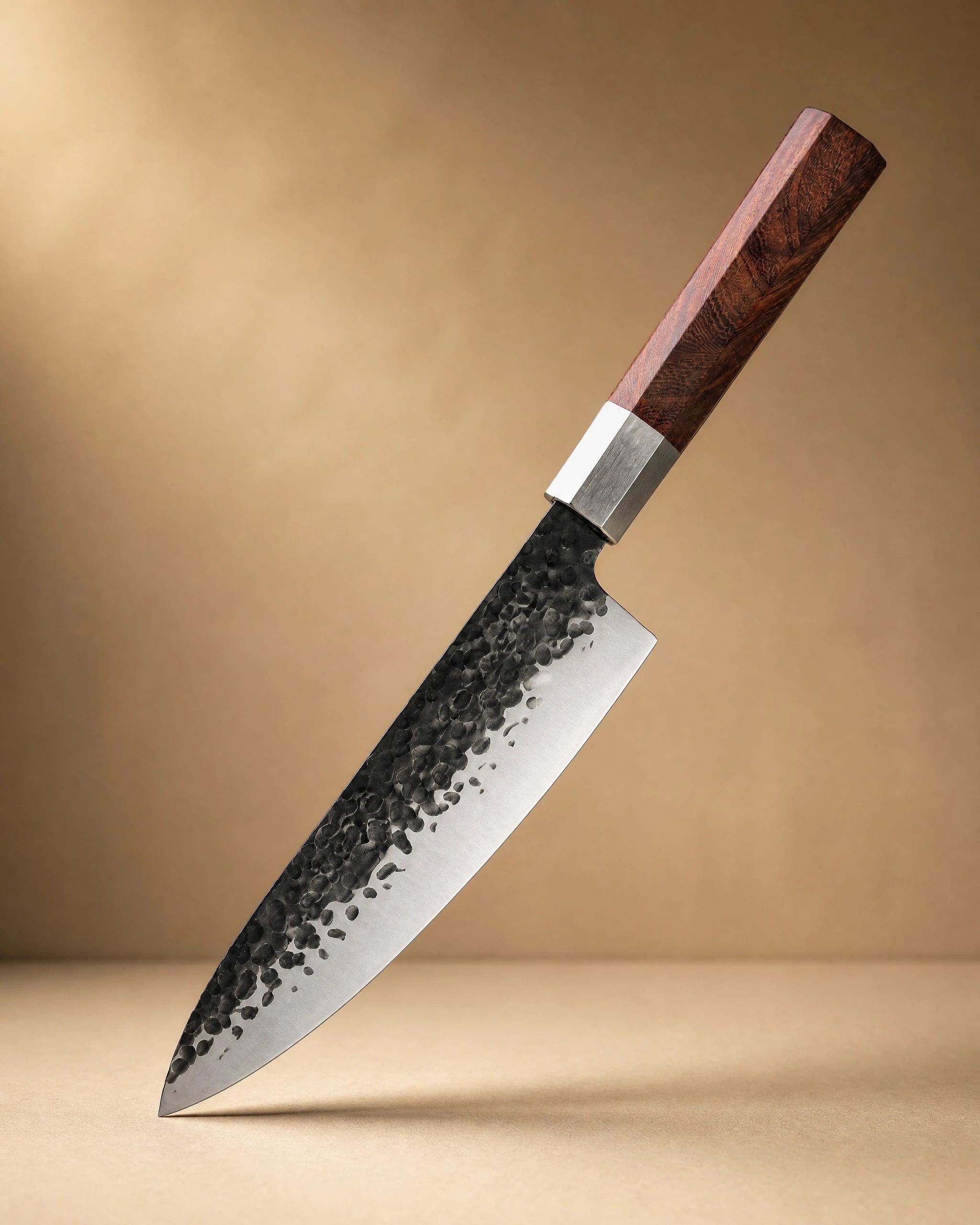 Sendai 8" Steel Gyuto Knife 牛刀$64.99 · currently out of stockView product → and
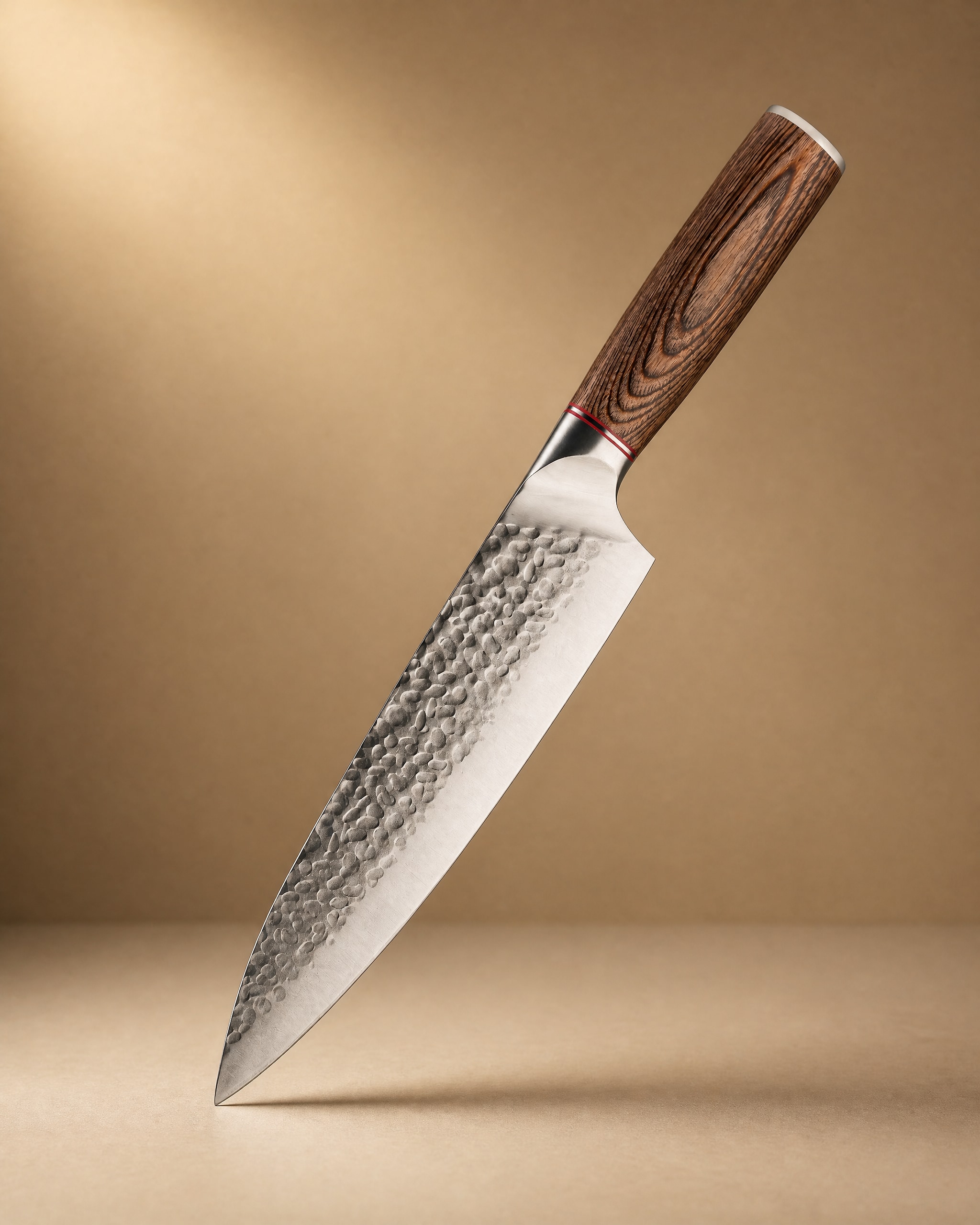 Akan 8'' Gyuto Knife 牛刀$64.99View product → are two options to compare. If you slice bread, the
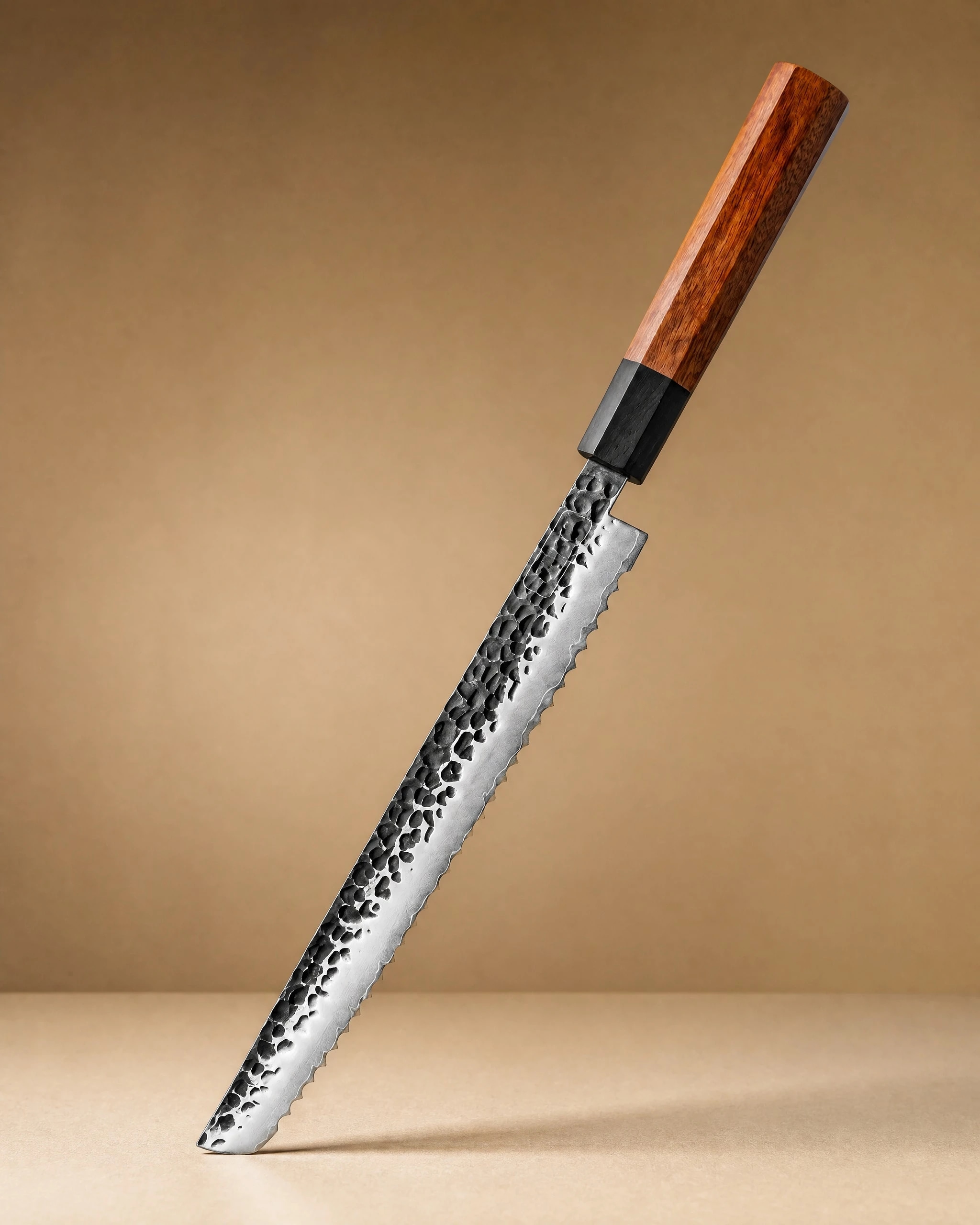 Rumoi 10" Japanese Bread Knife パン切りナイフ$79.99View product → is the relevant pick. For a broader kitchen setup, look at
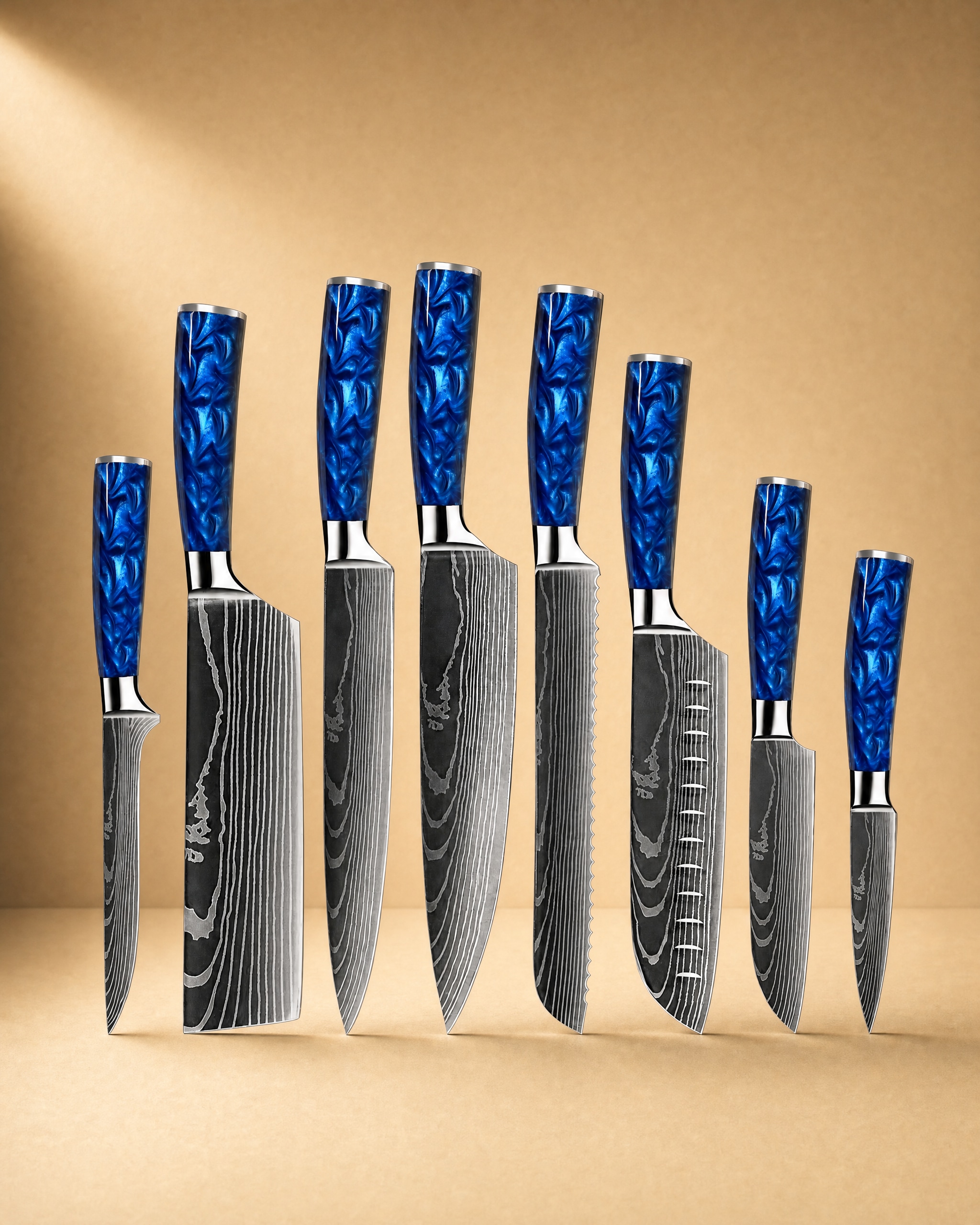 Shinano 信濃川 Damascus Pattern Stainless Steel Kitchen 8 Knife Set$199.99View product →. You can see the full range in the knife shop, and the knife care guide covers cleaning, storage, and stone care in more detail.
Flattening, Cleaning, and Storage
Whetstones do not stay flat forever. A dished stone cannot sharpen a consistent angle. Flatten a water stone with a diamond plate or a flattening stone after every few sessions. Mark a grid on the stone with a pencil, work it flat, and stop when the grid is gone. Rinse the stone and let it dry slowly. Do not leave a water stone soaking for days, and do not dry it in direct sun.
Oil stones need less flattening but still need cleaning. Wipe off metal particles and refresh the surface with a light oil if it glazes. Diamond plates should be rinsed and dried. Store all stones where they will not freeze, chip, or collect dust.
The Practical Answer
A whetstone is a good addition to a garden tool kit if you sharpen pruners, loppers, grafting knives, and similar hand tools. It is not the right first tool for shovels, hoes, or heavy digging work. For those, use a file. For mower blades and axes, choose the tool that matches the steel and the job. Keep your garden stones separate from your kitchen stones, and learn the existing bevel before you remove metal.
If you want to go deeper on edge care, read the knife guide for geometry and selection advice, then keep your garden sharpening simple. A medium stone, a coarse side for damage, and a flattening plate will handle most of what a home garden asks. The rest is practice, light pressure, and a clean, dry tool at the end of the day.
Photography: Todd Quackenbush via Unsplash.


