
Japanese Paring Knife Uses

A Japanese paring knife is not a smaller version of a chef's knife. It is a distinct tool with a thin blade and a pointed tip, designed for work that happens off the cutting board or in your hand. In a Japanese knife roll, the paring knife is often the second or third knife you reach for, after a gyuto. It handles the small, precise tasks that a larger blade cannot do comfortably.
If you are building a set, understanding what a paring knife does well helps you avoid buying tools you will not use. This guide covers the core uses for a Japanese paring knife, plus the moments when a different knife is the smarter choice.
What a Japanese Paring Knife Is (and What It Is Not)
Japanese paring knives, sometimes called petit knives or utility knives, typically have blades between three and five inches. The profile varies by region and maker. Some are shaped like a miniature gyuto with a gentle curve. Others, like the classic petty knife, have a straighter edge and a pointed tip. The steel is usually hard, thin, and takes a keen edge. That thinness is the key feature. It lets the blade slide through small ingredients with minimal resistance.
A Japanese paring knife is not meant for heavy chopping, bone cutting, or frozen foods. Using it for those tasks can chip the edge or bend the tip. It is a precision instrument. Treat it that way and it will stay sharp for a long time.
Core Uses for a Japanese Paring Knife
The list of tasks a paring knife handles well is longer than most people expect. Here are the main ones.
- Peeling fruit and vegetables, especially when you want to hold the item in your hand.
- Trimming stems, roots, and ends from small produce.
- Corning and seeding peppers.
- Deveining shrimp and trimming seafood.
- Making garnishes and decorative cuts.
- Cutting small items like shallots, garlic, and herbs.
- Sectioning citrus and removing pith.
- Scoring bread dough or pastry before baking.
Each of these tasks benefits from the paring knife's size and control. Let's look at a few in more detail.
Peeling and Trimming
Peeling an apple, a pear, or a potato in your hand is a classic paring knife task. A chef's knife is too long for this. The paring knife's short blade lets you rotate the fruit against your thumb while the blade follows the curve. Japanese paring knives are often ground thin behind the edge, so they peel with very little pressure. That reduces fatigue if you are processing a lot of produce.
Trimming is another strength. Removing the top and tail of a carrot, cutting the root end off an onion, or snipping the ends off green beans are all quick jobs for a paring knife. The pointed tip is useful for digging out eyes from potatoes or soft spots from fruit.
Precision Cuts and Garnishes
If you want to make a tomato rose, a radish fan, or a fluted mushroom, a paring knife is the tool. The thin blade and sharp tip allow you to make small, controlled cuts. You can turn a strawberry into a flower or carve a lemon peel into a twist. These are not everyday tasks for most home cooks, but when you need them, a paring knife is the only knife that will do.
Precision also matters for everyday cooking. Dicing a shallot, mincing garlic, or cutting a chili into thin rings is easier with a small blade. You can work close to your fingers without the blade being so long that it feels unwieldy. The control you get from a paring knife often translates to cleaner, more even cuts.
To get the best results, hold the paring knife with a pinch grip. Your thumb and index finger should pinch the blade just in front of the handle. This gives you maximum control. For detailed work, you can also choke up on the blade, placing your thumb on the spine for stability. Practice on simple tasks like cutting a lemon wedge before moving to more complex garnishes.
Working with Small Ingredients
Small ingredients are where a large knife becomes clumsy. A paring knife shines with cherry tomatoes, radishes, jalapenos, and garlic cloves. You can hold the ingredient steady with one hand and slice with the other. The short blade gives you a clear view of the cut.
This is also true for cutting small amounts of herbs. If you need just a tablespoon of chopped parsley, a paring knife is faster than pulling out a chef's knife and a cutting board. You can do it on a small board or even in a bowl.
Deveining Shrimp and Other Seafood Tasks
Seafood prep often calls for a small, sharp knife. Deveining shrimp is a good example. You make a shallow cut along the back of the shrimp and lift out the vein. A paring knife's tip is perfect for this. The same knife can be used to remove pin bones from a salmon fillet, trim fish skin, or open oysters. For these tasks, a thin blade that you can control precisely is more important than a long blade.
Fruit Prep
Fruit is perhaps the most common use for a Japanese paring knife. Cutting an apple into slices, segmenting an orange, or removing the core from a pear are all tasks that a paring knife handles well. The thin blade glides through fruit without crushing it. That means cleaner slices and less juice lost on the board.
For citrus, a paring knife can remove the peel and pith, then cut between the membranes to release perfect segments. This is a technique that takes practice, but the right knife makes it easier. A sharp, thin paring knife is that right knife.

When a Paring Knife Is Not the Right Tool
A paring knife is not a replacement for a chef's knife. For large jobs like cutting up a whole chicken, chopping an onion, or slicing a cabbage, you need a larger blade. A gyuto, the Japanese version of a chef's knife, is the workhorse of the kitchen. If you are doing everyday prep, a gyuto should be your first reach. For example, the 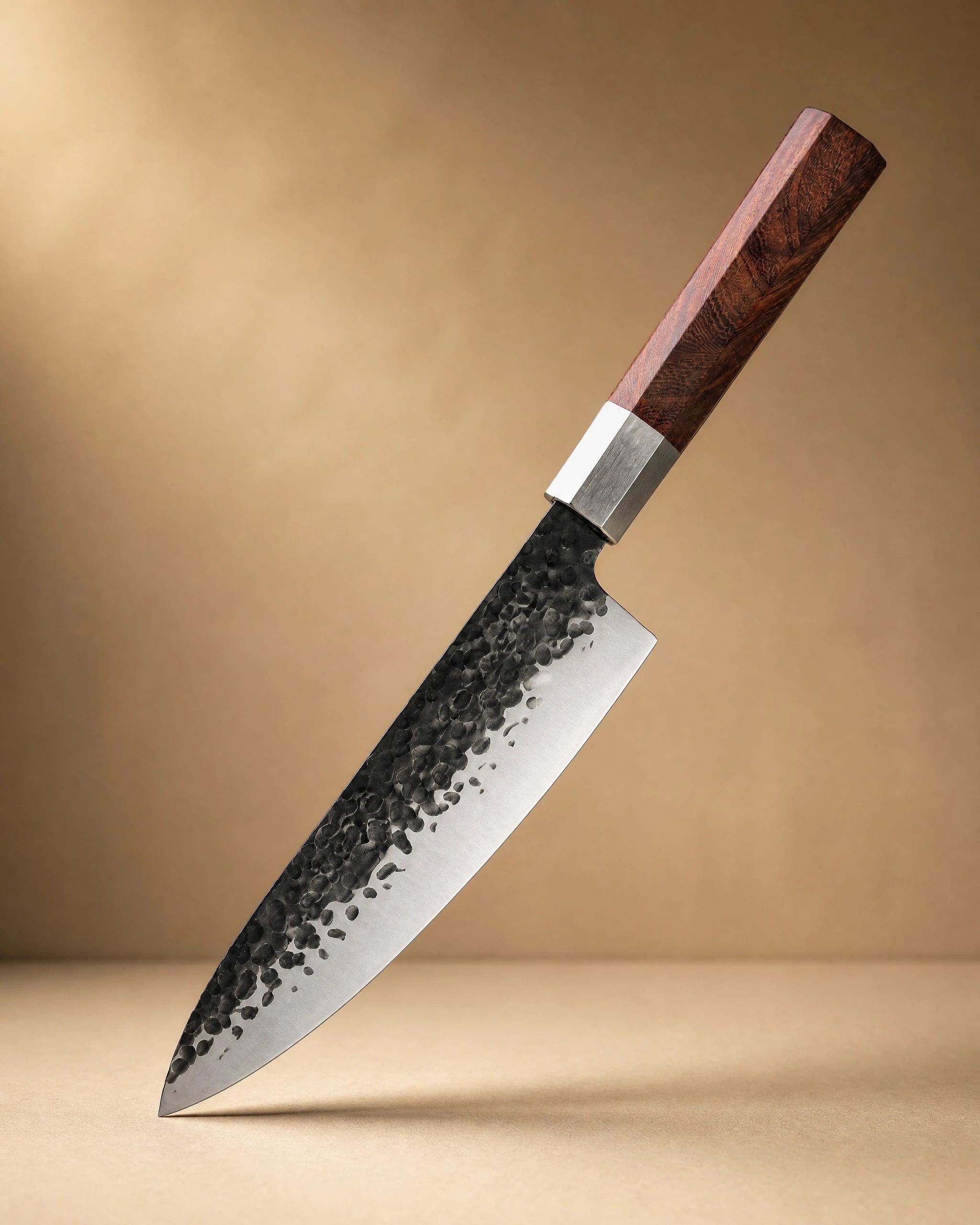 Sendai 8" Steel Gyuto Knife 牛刀$49.99View product → is a solid choice for general cutting tasks. The
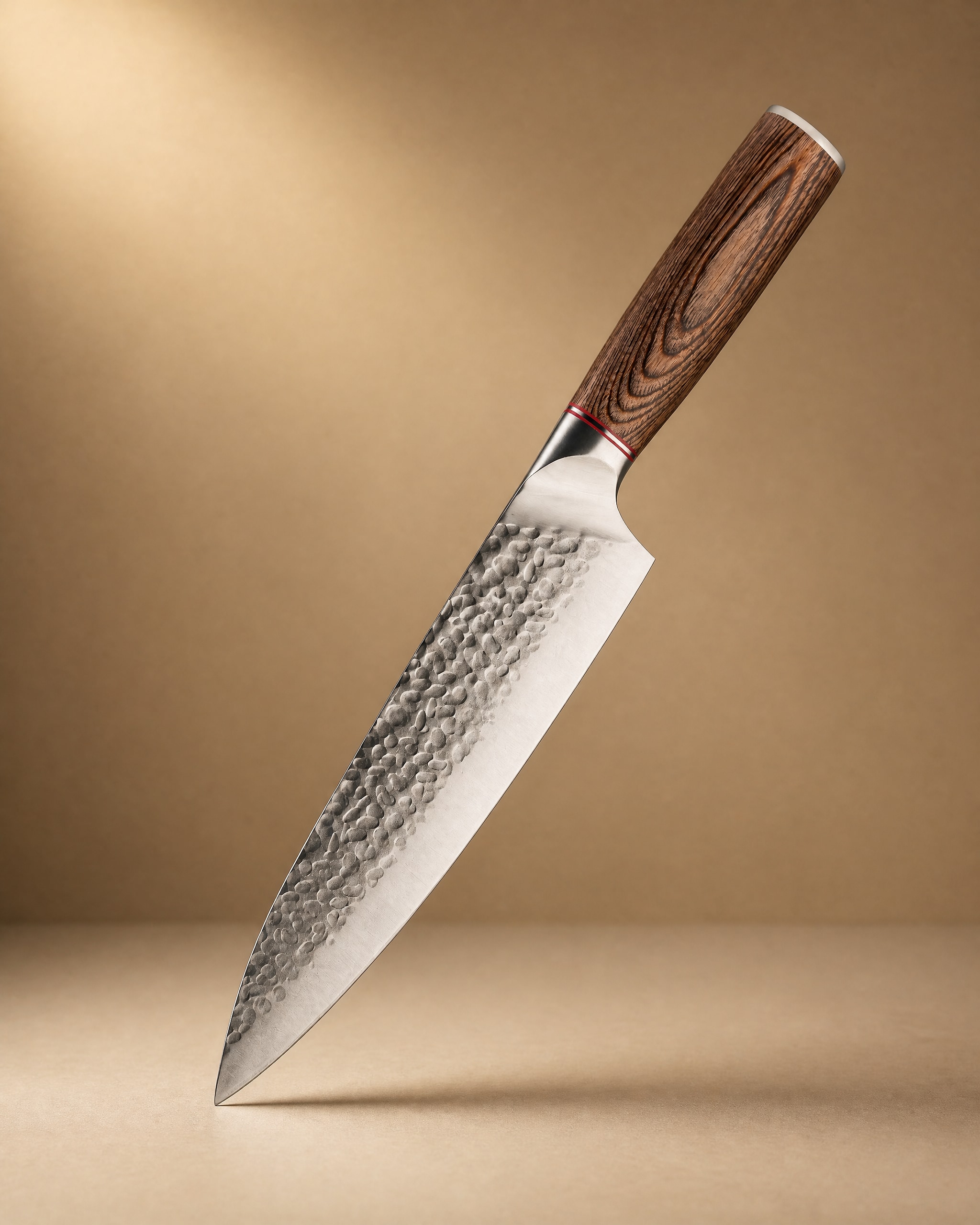 Akan 8'' Gyuto Knife 牛刀$49.99View product → is another option that many cooks keep on the board for daily use.
Using a paring knife for these larger tasks is inefficient and can be unsafe. Your hand and wrist will tire, and the small blade can slip when you apply too much force. Keep the paring knife for detail work and let a gyuto handle the volume.
Pairing with Larger Knives
A well-rounded knife kit includes a paring knife, a chef's knife, and a serrated knife. The paring knife does small work. The chef's knife does most of the chopping. The serrated knife handles bread and tomatoes. If you cut a lot of bread, a dedicated bread knife makes a difference. The 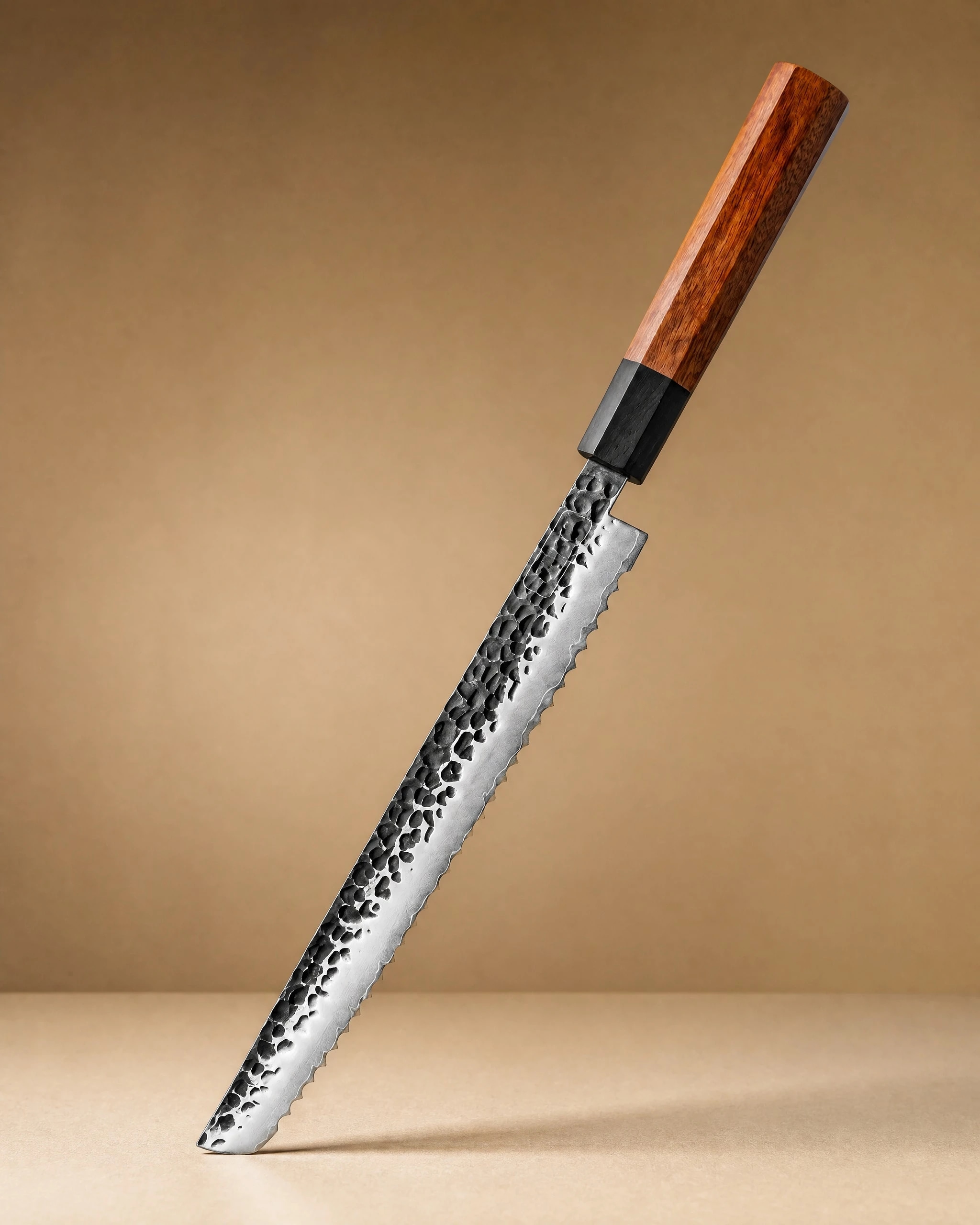 Rumoi 10" Japanese Bread Knife パン切りナイフ$59.99View product → is designed for clean slices through crusty loaves without crushing the crumb.
If you are starting from scratch, a set can be a practical way to get the core knives you need. The 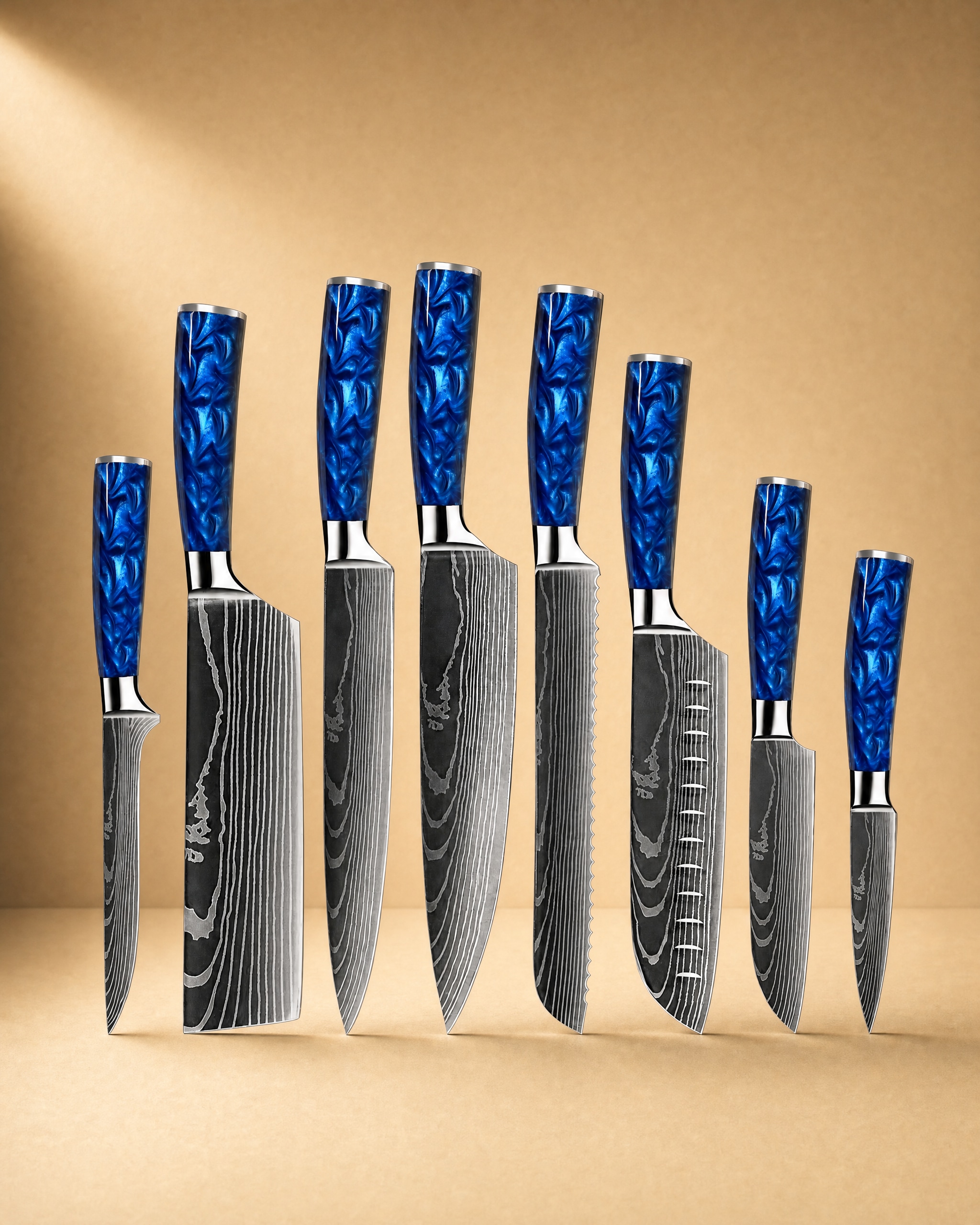 Shinano 信濃川 Damascus Pattern Stainless Steel Kitchen 8 Knife Set$149.99View product → includes a range of knives for different tasks. You can see the full lineup in our knife shop.
Care and Maintenance
Japanese knives are made from hard steel. That means they hold an edge well, but they can also chip if mistreated. A few habits will keep your paring knife in good condition. Hand wash and dry it after use. Do not put it in the dishwasher. Do not use it to cut on glass, ceramic, or stone surfaces. Use a wood or plastic cutting board. Store it in a knife block, on a magnetic strip, or in a blade guard.
A ceramic honing rod can be used to realign the edge between sharpenings. Do this gently. If you are not comfortable honing, a few strokes on a fine whetstone every few weeks will keep the edge sharp. Avoid pull-through sharpeners, which can remove too much metal.
For a full guide on cleaning, sharpening, and storing your knives, see our knife care guide. A little maintenance goes a long way. A sharp paring knife is safer and more enjoyable to use than a dull one.
Choosing Your First Japanese Paring Knife
When you are ready to buy, think about the tasks you do most. If you peel and trim a lot of produce, a standard paring knife with a three to four inch blade is a good fit. If you also want a knife for small slicing jobs, a slightly longer petty knife might be more versatile. The blade shape matters too. A Western-style paring knife has a curved edge and a pointed tip. A Japanese-style petty often has a straighter edge.
Handle choice is personal. Traditional Japanese handles are light and balance forward. Western-style handles are often more familiar to cooks used to European knives. Neither is better. Pick what feels comfortable in your hand.
Steel type is another consideration. Many Japanese paring knives use high-carbon steel, which takes a very sharp edge but requires more care to prevent rust. Stainless steel is more forgiving. If you are new to Japanese knives, a stainless or semi-stainless option might be a better starting point.
You can browse our full selection in the shop. If you want more help deciding, our knife guide walks through blade shapes, steel types, and handle styles.
Final Thoughts
A Japanese paring knife is a small tool with a specific job. It peels, trims, garnishes, and handles precision cuts. It is not meant to replace a chef's knife, but it complements one. If you cook often, you will find yourself reaching for it more than you expect. Start with one good paring knife, learn its uses, and build your collection from there.
For everyday prep, a gyuto like the Sendai 8" Steel Gyuto Knife 牛刀$49.99View product → or Akan 8'' Gyuto Knife 牛刀$49.99View product → will do the heavy lifting. For bread, the Rumoi 10" Japanese Bread Knife パン切りナイフ$59.99View product → is a dedicated solution. And if you want a complete set, the Shinano 信濃川 Damascus Pattern Stainless Steel Kitchen 8 Knife Set$149.99View product → covers the essentials. Whatever you choose, keep your knives sharp and use them with care.
Photography: Richard Iwaki via Unsplash.


