
Japanese Mandolin Knife vs Knife

If you have ever searched for a "Japanese mandolin knife," you have probably seen two very different tools appear in the results. One is a mandoline, a slicer with a flat bed and an adjustable blade. The other is a knife, the kind you hold in your hand and use on a cutting board. They share a similar name in some searches, but they do completely different jobs. Understanding the difference will help you decide which tool to buy, which to use for a specific task, and how to get the best results from each.
This article compares a Japanese mandoline to a knife. We will look at what each does well, where each falls short, and how to choose. We will also recommend a few Japanese knives that excel at the kind of precise slicing a mandoline is known for. By the end, you will know exactly which tool to reach for, and why.
What Is a Japanese Mandoline (and Why It Is Called a Mandolin Knife)
The term "mandolin knife" is a bit of a misnomer. A mandoline is not a knife. It is a slicing tool. The confusion likely comes from the French "mandoline," which is a kitchen slicer, and the similar word "mandolin," a musical instrument. In some regions and online listings, people combine the words into "mandolin knife" when they are actually looking for a mandoline slicer. Japanese mandolines, such as those made by Benriner, are particularly popular. They are lightweight, made of plastic and stainless steel, and have a very sharp adjustable blade. You hold the vegetable or fruit in a safety guard and slide it across the blade. The result is a uniform slice, julienne, or waffle cut.
A knife, by contrast, is a hand tool with a blade and a handle. You control the angle, pressure, and motion. A Japanese knife, such as a gyuto or santoku, is designed for precision and sharpness. It can slice, dice, chop, and mince. It is not limited to one motion or one type of food. The only real similarity between a mandoline and a knife is that both can cut food. Everything else is different.
What a Japanese Mandoline Does Best
A mandoline excels at repetition and uniformity. If you need fifty identical cucumber slices for pickles, a mandoline will do it in a fraction of the time it takes with a knife. The thickness dial lets you set the exact slice size, from paper thin to a quarter inch. That consistency is nearly impossible to achieve by hand, even with excellent knife skills. Japanese mandolines are especially good for:
- Thinly sliced radishes, cucumbers, and carrots for salads
- Julienne cuts for stir fries and slaws
- Uniform potato slices for chips or gratins
- Delicate garnishes that need to look perfect
These tasks are tedious with a knife. A mandoline turns them into a quick job. It also reduces hand fatigue. If you cook large quantities, the time savings add up. And because the blade is fixed, you do not need to worry about your knife skills. The tool does the work.
What a Knife Does Best
A knife is the most versatile tool in the kitchen. It can do everything a mandoline can do, though not always as uniformly or as quickly for large batches. But a knife can also do things a mandoline cannot. It can break down a chicken, fillet a fish, chop herbs, mince garlic, slice bread, and cut through soft or irregular foods. A mandoline struggles with soft tomatoes, curved bell peppers, or anything that does not lie flat. A knife adapts to the shape and texture of the food. You can feel the resistance, adjust the angle, and make a clean cut.
A Japanese knife is particularly good at slicing. The thin, hard blade glides through food with minimal pressure. A gyuto, the Japanese chef's knife, is designed for both push-cutting and rocking. A santoku, with its flatter profile, is excellent for chopping vegetables. These knives give you control that a mandoline simply cannot. You decide the thickness, the angle, and the shape. You are not limited to a straight slice.
The Limits of a Mandoline
A mandoline is a single-task tool. It slices, and that is it. It cannot chop an onion. It cannot cut a piece of meat. It cannot mince garlic. It also requires careful handling. The blades are extremely sharp, and many home cooks have suffered serious cuts. A safety guard is essential, but even then, you need to pay attention. The blade can dull over time, and replacement blades may be hard to find for some models. A mandoline also takes up space. It is bulky and awkward to store. It needs to be cleaned carefully, and some models are not dishwasher safe. For all its speed on repetitive tasks, it is not a tool you can use for everything.
The Limits of a Knife
A knife requires skill. To get uniform slices, you need practice. A beginner may struggle to cut a cucumber into even rounds. A knife also takes time for large batches. Slicing ten pounds of potatoes by hand is a workout. A knife needs maintenance: sharpening, honing, and careful storage. It can rust if not dried properly, especially carbon steel. And a good knife costs more than a mandoline. But a knife is used for every meal, while a mandoline might sit in a drawer for weeks. The cost per use is often lower for a knife.
When to Use a Mandoline
Reach for a mandoline when you need thin, uniform slices and you have a lot of them. If you are making a large batch of pickles, a slaw for a party, or homemade chips, a mandoline saves time and delivers consistent results. It is also useful for delicate garnishes where appearance matters. If you are cooking a Japanese meal and want those precise radish slices, a mandoline is the right tool. It is also a good choice if you have limited knife skills but want professional-looking cuts. Just be careful with the blade.
When to Use a Knife
Use a knife for everything else. For daily cooking, a knife is faster and more flexible. You can chop an onion, slice a chicken breast, and mince ginger with the same tool. You can adjust the cut to the recipe. A knife is also easier to clean and store. If you are cooking for one or two, a knife is almost always the better choice. A mandoline is overkill for a single cucumber. And for any task that involves irregular shapes or soft textures, a knife is the only option. A sharp Japanese knife can also achieve very thin slices when you need them, though it takes practice to match a mandoline's consistency.
Japanese Knives for Precision Slicing
If you decide that a knife is your primary tool, the right knife makes a difference. Here are four Japanese knives we recommend for everyday prep. Each one is designed for precision, and each has a different feel.
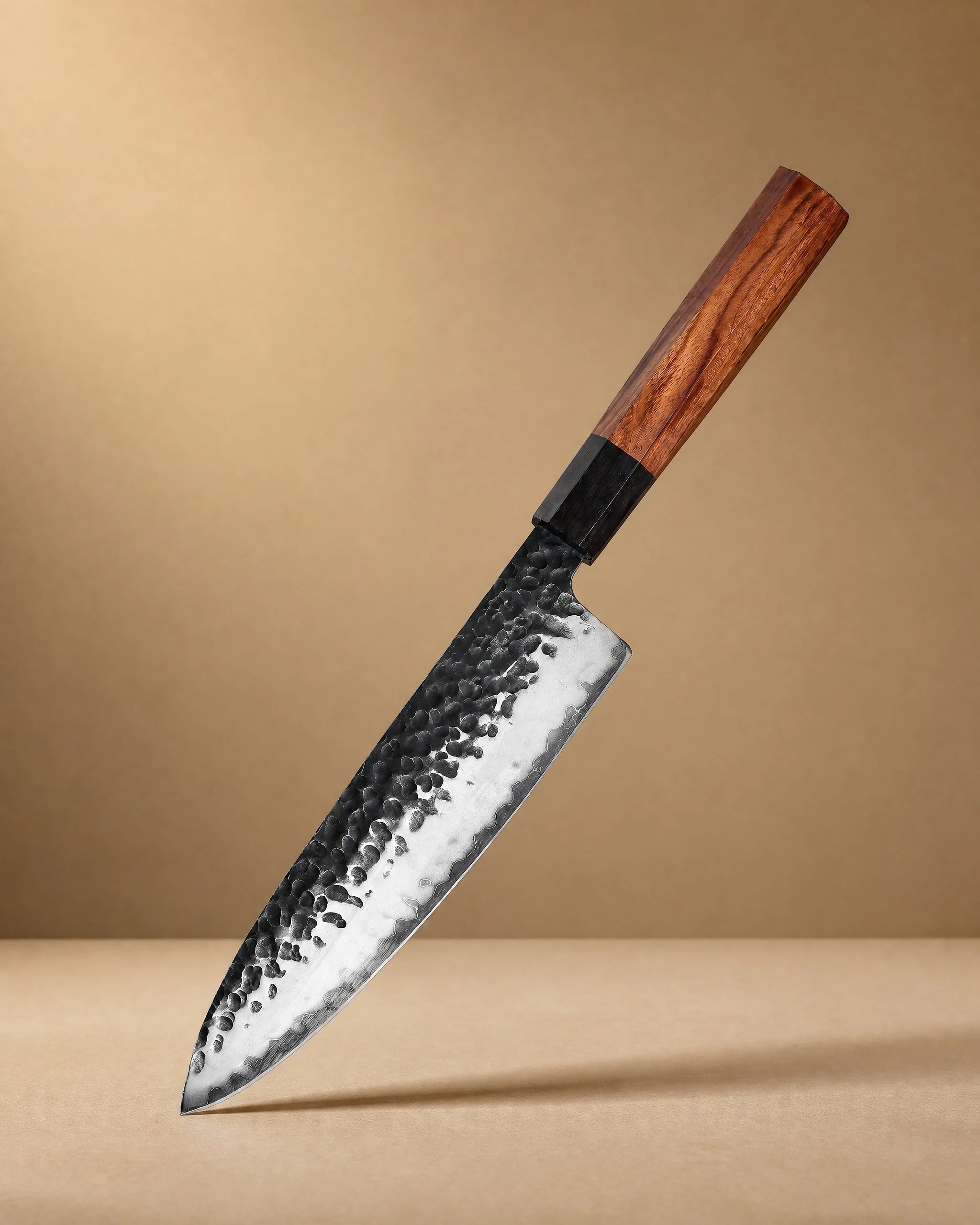 Tenjin 8" Stainless Steel Gyuto Knife 牛刀$59.99View product → is a stainless steel gyuto. Stainless steel is low maintenance and resistant to rust, which makes it a great choice for a first Japanese knife. The gyuto shape is the Japanese equivalent of a chef's knife, so it handles everything from slicing proteins to chopping vegetables. It is a reliable companion for daily cooking.
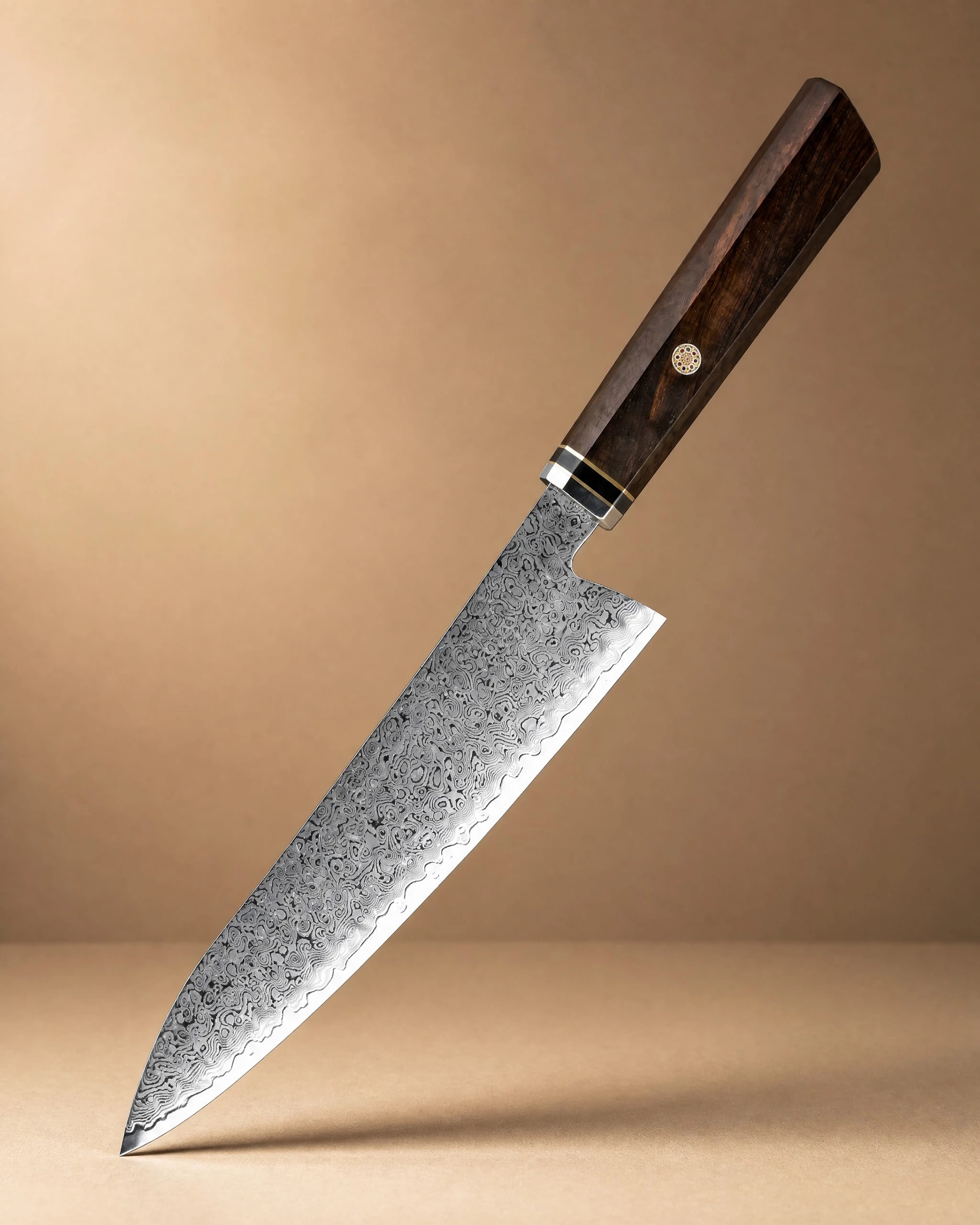 Sakawa 8.5" Damascus Steel Gyuto Knife 牛刀$74.99View product → is a Damascus steel gyuto. The layered steel creates a beautiful pattern, but it is also a functional blade. Damascus steel can offer a slightly different cutting feel, and it holds an edge well. Like all gyutos, it is versatile for everyday prep. If you want a knife that performs and looks distinctive, this is a strong option.
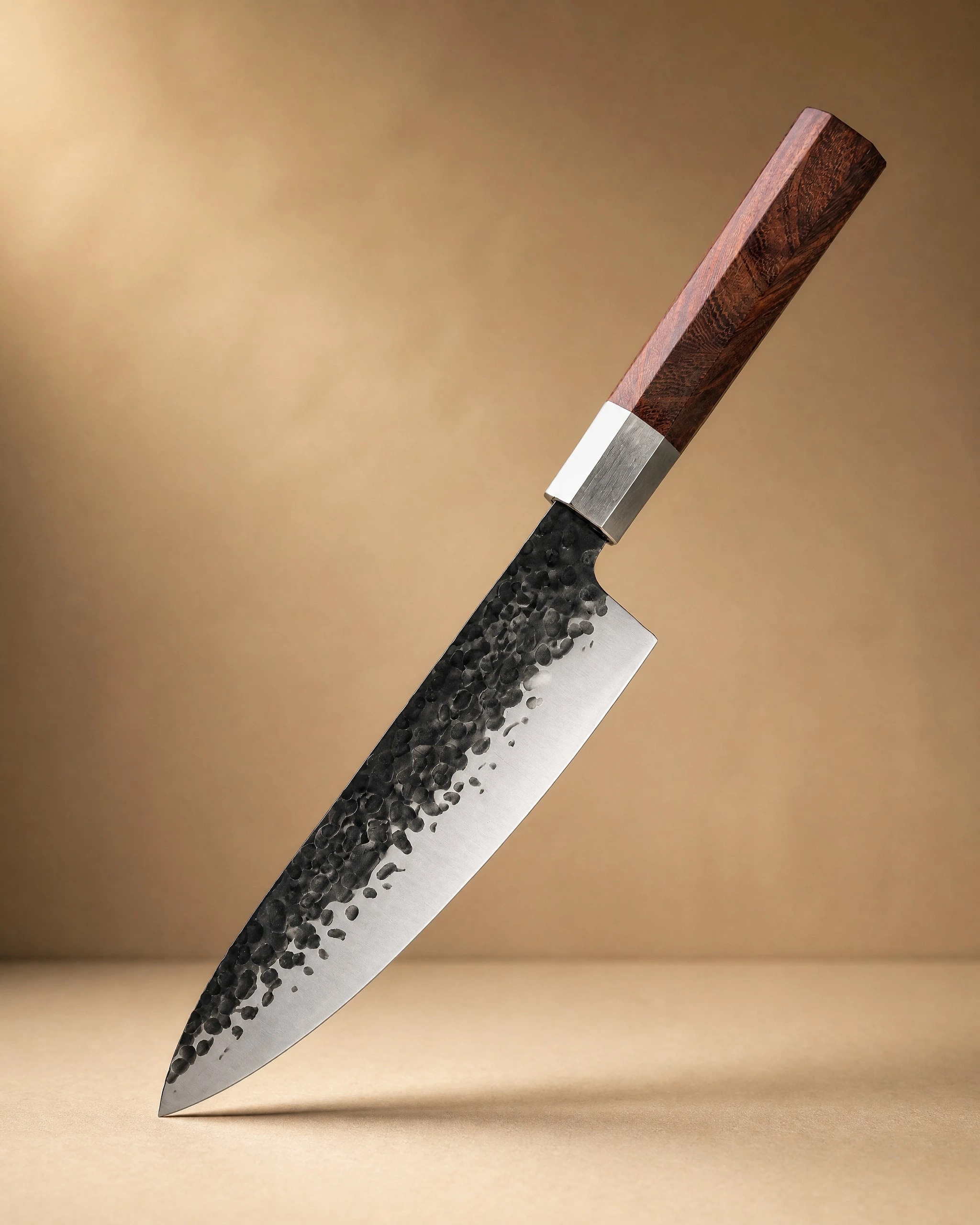 Sendai 8" Steel Gyuto Knife 牛刀$49.99View product → is a steel gyuto with a more traditional character. If you enjoy caring for your tools and watching a patina develop, this is a good option. It is built for everyday prep, just like the others, but the steel type will appeal to cooks who like a knife that responds to their maintenance. It rewards a little attention with excellent performance.
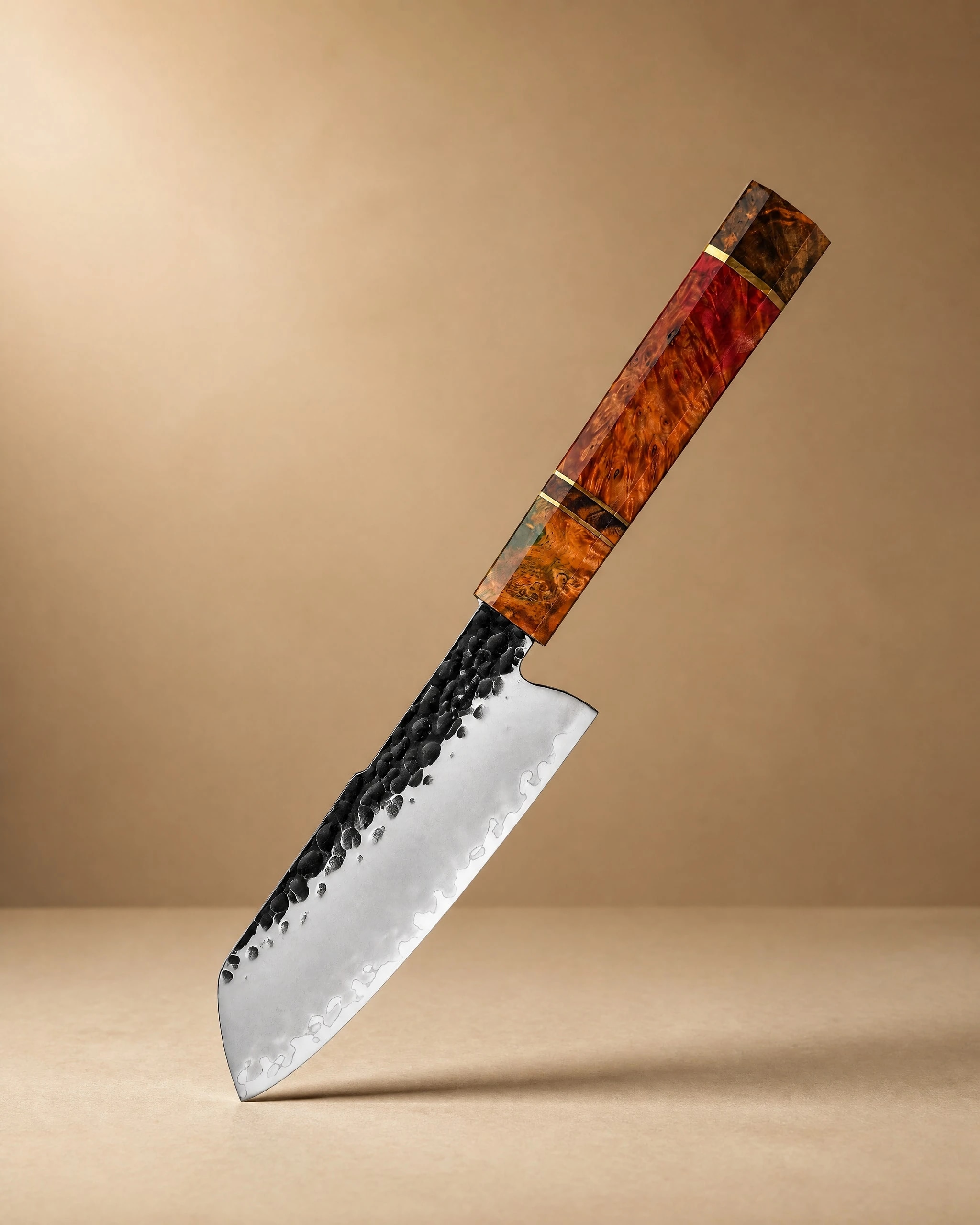 Ishikari 5" Santoku Knife 三徳包丁$64.99View product → is a santoku. The santoku is shorter and has a flatter edge than a gyuto. Many cooks prefer it for vegetable prep because it feels nimble and encourages a push-cut. If you want a knife that can handle the same tasks you might use a mandoline for, the santoku is an excellent choice. It is especially good for thin slicing and chopping.
Each of these knives is available in our shop. You can see the full selection at our knife collection.

Maintaining Both Tools
Whether you choose a mandoline, a knife, or both, maintenance matters. A mandoline blade will eventually dull. You can usually replace the blade, but check the manufacturer's instructions. Clean it carefully, and never put your fingers near the blade. For knives, hand wash and dry immediately. Store them on a magnetic strip, in a knife block, or in a blade guard. Carbon steel knives need to be dried thoroughly to prevent rust. For a complete guide, read our knife care guide. A sharp knife is a safe knife, and a well-maintained mandoline is a safe mandoline.
How to Choose Your First Japanese Knife
If you are new to Japanese knives, the options can be overwhelming. Gyuto, santoku, nakiri, petty: each shape has a purpose. Steel types range from stainless to carbon to Damascus. Handle styles vary. Our knife guide explains the differences in plain language. Start with a gyuto or santoku for everyday prep. Add a smaller knife later for detail work. And if you do a lot of thin slicing, consider a mandoline as a companion tool. The two are not competitors. They are teammates.
Final Thoughts
A Japanese mandoline and a knife are different tools for different jobs. A mandoline gives you uniform slices and speed on repetitive tasks. A knife gives you control, versatility, and the ability to handle any ingredient. If you can only buy one, buy a knife. It is the foundation of cooking. If you often make slaws, pickles, or garnishes, add a mandoline later. And if you want a knife that makes slicing a joy, browse our collection at /product. A good Japanese knife, maintained well, will serve you for decades. A mandoline will serve you for specific tasks. Together, they cover almost everything.
Photography: Richard Iwaki via Unsplash.


