
Diamond Whetstone for Knife Sharpening
A diamond whetstone is the most misunderstood tool on most kitchen counters. People buy one expecting a plate that fixes any edge in thirty seconds, then either love it or grind a good knife down to a butter knife. Neither outcome is inevitable. Here is how diamond stones actually work, where they beat water stones, where they lose, and how to use one on kitchen knives without removing more steel than you need to.
What a diamond whetstone actually is
A diamond whetstone, sometimes sold as a diamond knife sharpening stone, is a steel plate with a thin layer of nickel holding tiny industrial diamond particles. The diamonds do the cutting. The plate is only the carrier. Diamond is harder than any steel used in a kitchen knife, including the hard powdered steels that wear ordinary stones quickly, so the abrasive keeps cutting long after a water stone would have dished and needed flattening.
That construction has consequences. There is no slurry, no mud, no soaking. The plate works dry or with a splash of water, and it stays flat because the diamonds sit on the surface rather than in a soft matrix. It also cuts fast and leaves a scratch pattern that is coarser than the grit number suggests. A 1000 grit diamond plate does not feel like a 1000 grit water stone. It feels more aggressive, because each diamond particle is sharp and sits proud of the surface.
Diamond versus water stones: an honest comparison
Water stones produce the most refined edge a kitchen knife can take. The abrasive breaks down as you work, the mud polishes, and the bevel comes out clean and consistent. If you sharpen for pleasure on carbon steel and you enjoy the process, good water stones are still the better answer.
Diamond wins on different ground. It is faster on hard stainless, it never needs soaking, it does not dish, and it survives being left wet or tossed in a drawer. For a home cook who sharpens four times a year, that reliability matters more than the last five percent of refinement. Diamond is also the better choice for repair work: setting a new bevel, fixing a chip, thinning behind the edge. Doing that on a soft water stone wears the stone out fast.
For most kitchens, one coarse diamond plate for the rough work and one finer stone for the finish is enough. You do not need a rack of grits.

Reading grit on a diamond plate
Grit numbers are not standardized across manufacturers, and diamond grit is graded differently from water stone grit. Treat the numbers as rough labels.
- Coarse, around 300 to 400 grit: reprofiling, chip removal, resetting an angle. Used rarely.
- Medium, around 600 to 1000 grit: the everyday grit for a dull but undamaged edge.
- Fine, around 1200 to 1500 grit: refining and finishing, especially on harder steels.
- Extra fine, 2000 and above: polishing, and better handled on a water stone or a strop.
Most home cooks can stop at medium and finish on a fine plate or a strop. Chasing a mirror polish on diamond is wasted effort on a kitchen knife. The apex is what cuts, not the shine.
How to sharpen on diamond without overdoing it
Diamond removes steel quickly. That is the point, and it is also the risk. Two habits keep you out of trouble.
First, use light pressure. The diamonds cut on contact, so pressing harder does not make the plate work better, it digs a deeper scratch and rolls the burr over. Let the abrasive do the work and keep the blade steady.
Second, count your strokes and stop. On a water stone you can feel the bevel settle in. Diamond gives less feedback, so sharpeners tend to keep going until the edge is over thinned. Twenty passes per side at a consistent angle is usually enough to bring back a working edge on a knife that has merely gone dull.
Finding and holding your angle
If you are new to freehand sharpening, the angle matters more than the stone. Twenty degrees per side suits most double bevel kitchen knives. Mark the bevel with a marker pen, take a few strokes, and look at where the ink has gone. That tells you the truth about your angle faster than any guide. Our knife care guide covers angle control and burr detection in more detail.
Caring for a diamond plate
Little is required, which is part of the appeal. Rinse the plate after use, wipe it with a cloth, and let it dry. A drop of dish soap and a soft brush clears metal particles out of the surface. Do not use oil, since it traps swarf and slows the cut. Do not scrub with anything abrasive, because the diamond layer is thin and you do not want to wear it back.
Store it flat and dry. Over years of steady use the diamonds do eventually dull, and no amount of cleaning brings them back. That is normal. A plate is a consumable with a long life, not a lifetime purchase. Buying a well made plate once is cheaper than replacing a cheap one three times, which is why the search for the best diamond whetstone is really a question about flatness and grit consistency rather than brand prestige.
Faithfull and Trend: what those names mean
Two names come up often in diamond whetstone searches: Faithfull and Trend. Both are established tool brands, and their diamond stones are sold mainly through hardware and woodworking channels rather than kitchen knife shops. That context tells you what they were designed for.
A Faithfull diamond whetstone or a Trend diamond whetstone is typically aimed at chisels, plane irons and shop tools, where a flat plate and a durable abrasive matter and a refined kitchen edge does not. That does not make them bad. It does mean you should check two things before buying one for knives: whether the plate is genuinely flat, and whether the grit is fine enough for a blade rather than a chisel. A coarse plate sold for lapping a plane iron will remove a lot of steel from a gyuto very quickly.
Which knives get the most from diamond
Diamond is most useful on harder stainless steels and on knives that see heavy work. Softer carbon steel responds beautifully to a water stone and gains less from diamond.
For a general purpose blade used daily, a medium diamond plate plus a light strop is a fast, reliable routine. Something like the 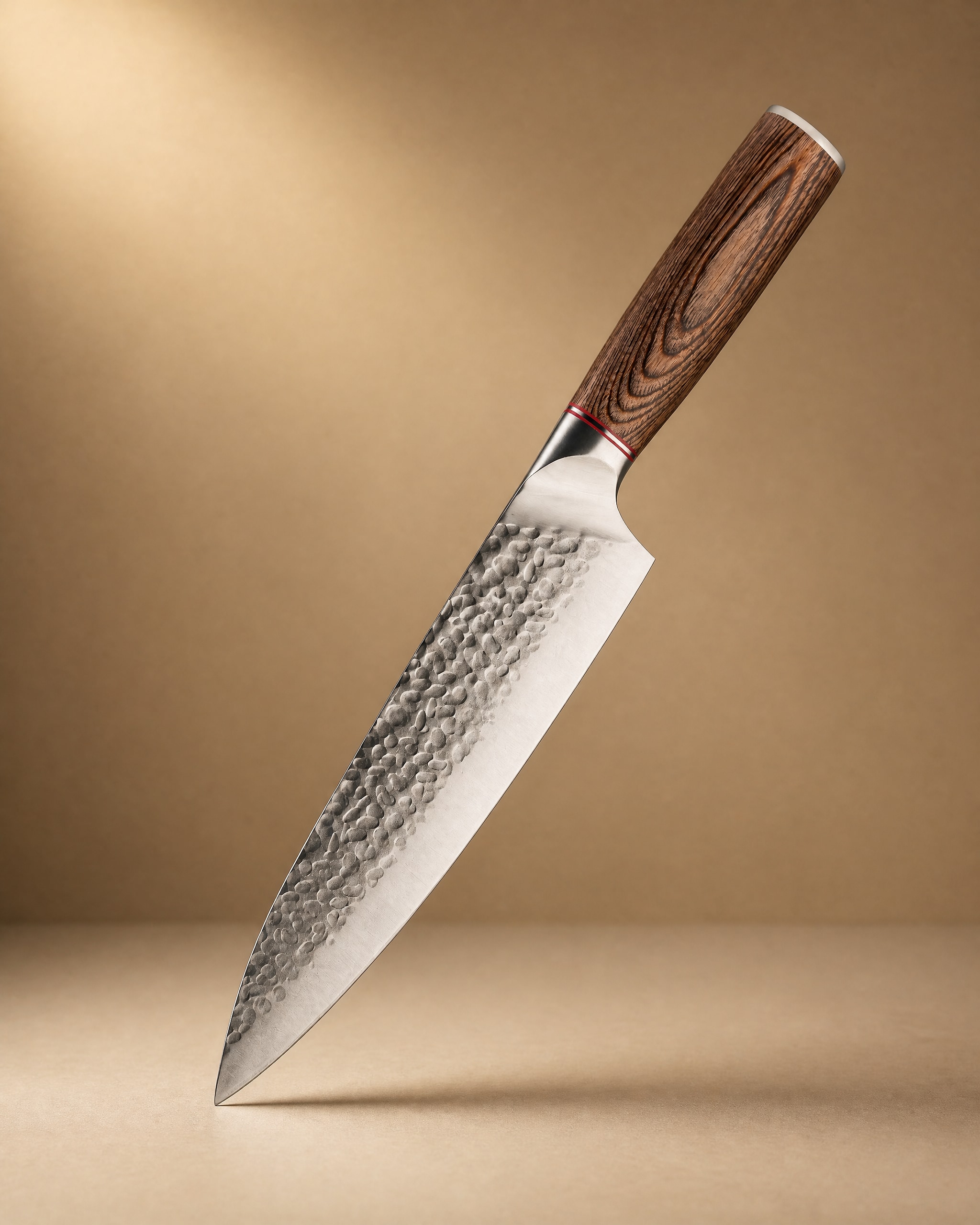 Akan 8'' Gyuto Knife 牛刀$49.99View product → takes an edge quickly and holds it well through weeks of vegetables, chicken and herbs, which is exactly the kind of knife a medium plate suits. The
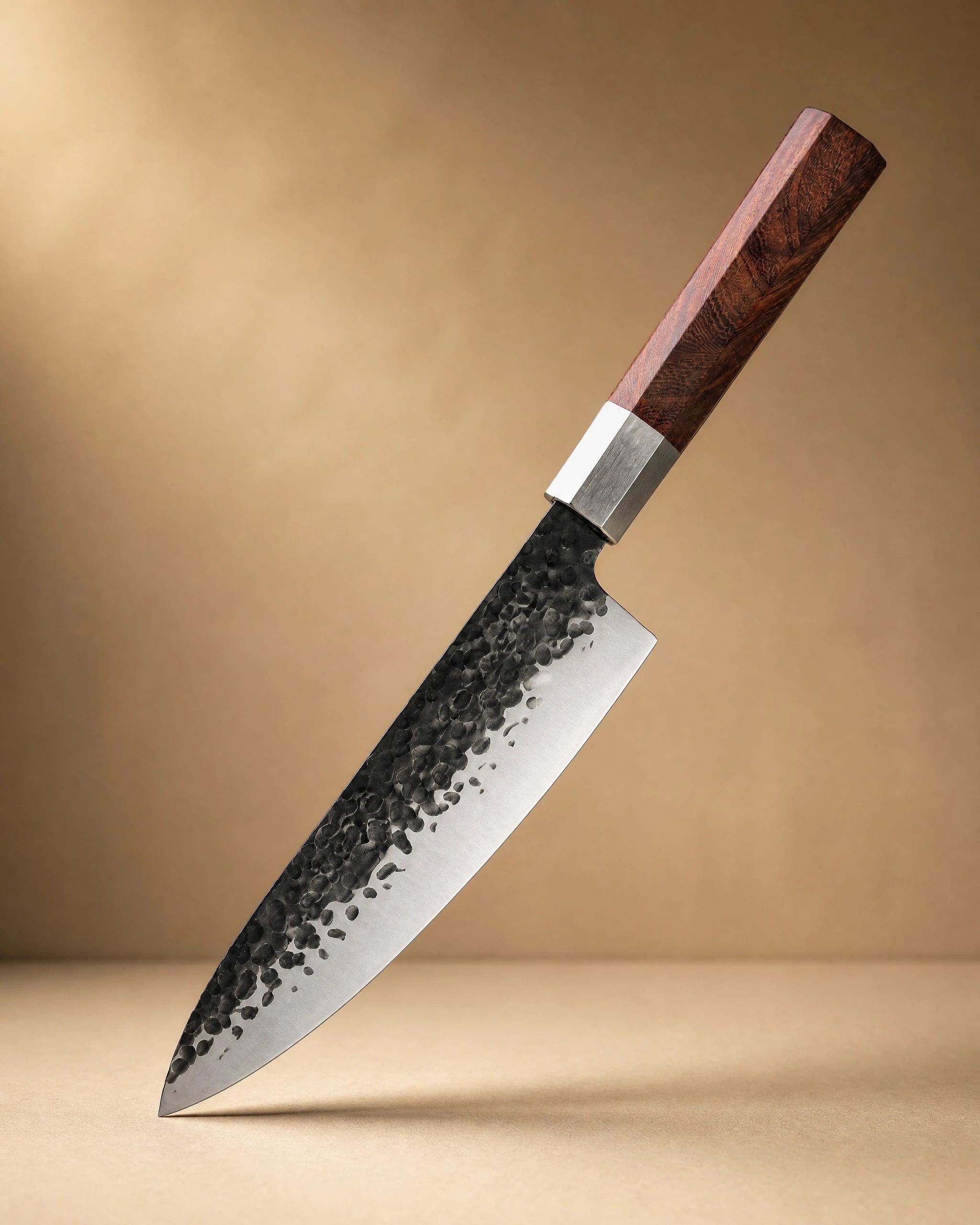 Sendai 8" Steel Gyuto Knife 牛刀$49.99View product → is the same story in a slightly different geometry, and either one makes a sensible first knife to learn sharpening on.
Serrated and bread knives are a separate case. A flat plate works, but a thin rod or a tapered diamond file reaches into the scallops better. The 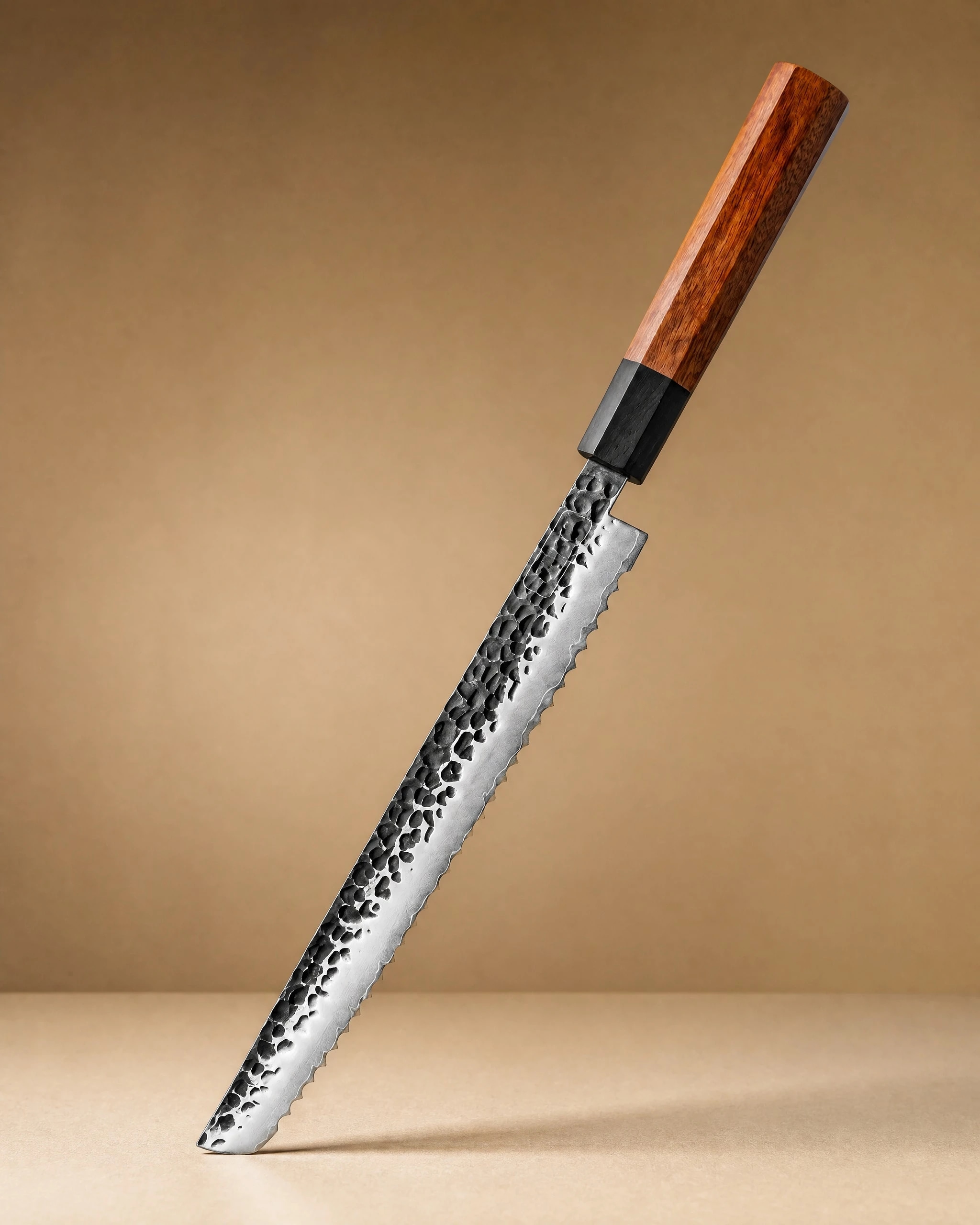 Rumoi 10" Japanese Bread Knife パン切りナイフ$59.99View product → is built for clean slices through crust and crumb, and it needs only occasional attention to the tips of the serrations rather than a full session on a stone.
If you sharpen a whole block at once, a diamond plate earns its place because it will not dish and you can work through several knives without stopping to flatten. The 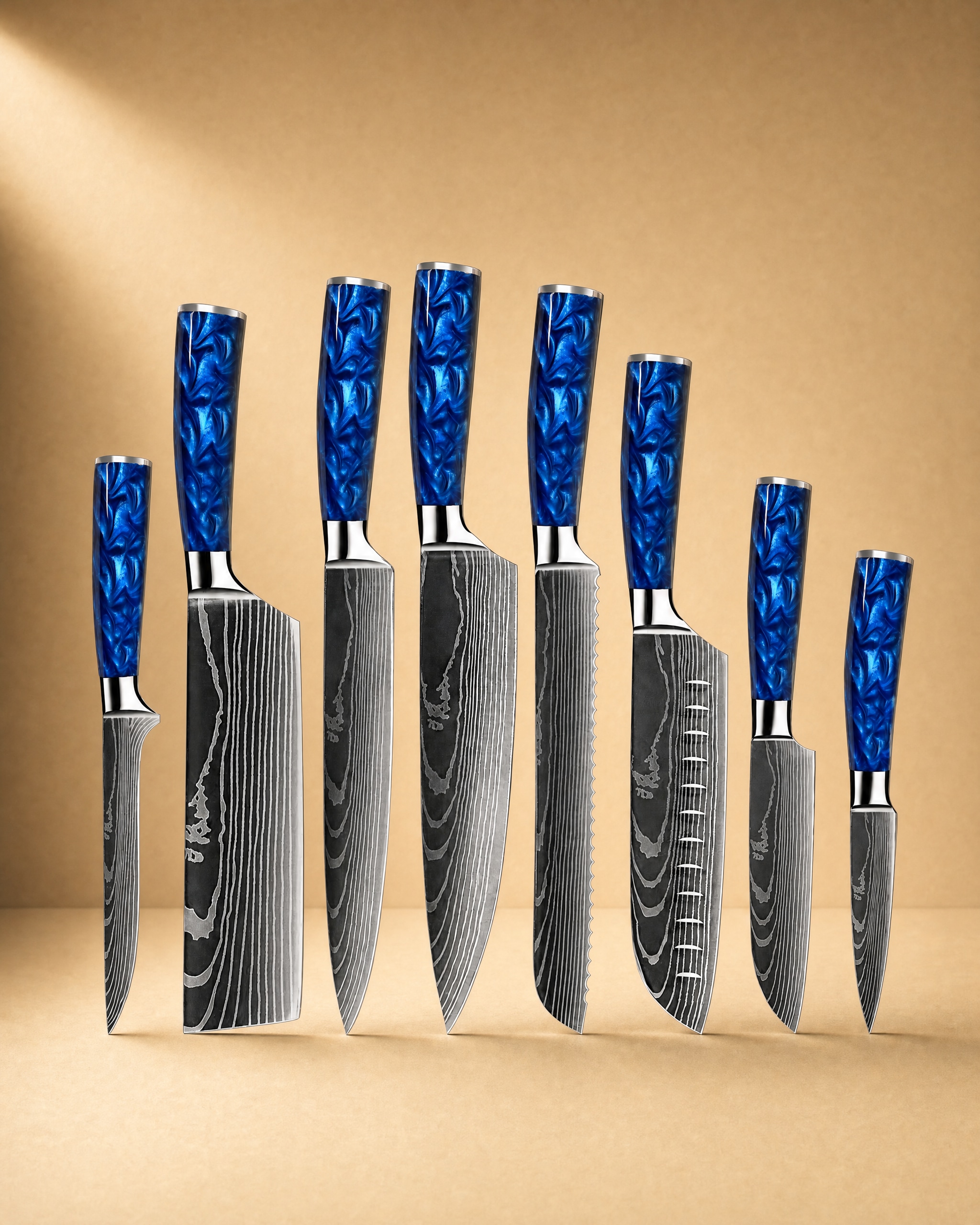 Shinano 信濃川 Damascus Pattern Stainless Steel Kitchen 8 Knife Set$149.99View product → is a good example of a set where one medium plate and a strop will keep every blade in order for years, because the routine is the same for each knife in the box.
Choosing the knife matters more than choosing the stone, though. If you are still working out what you want in a blade, read our knife buying guide first, then come back to sharpening. You can also browse the full range in the knife shop to compare shapes and lengths side by side.
A routine that actually gets used
Most dull kitchen knives are not dull because the owner lacks skill. They are dull because the sharpening happened once, in a burst of enthusiasm, and then never again. A routine you will repeat beats a perfect routine you will not.
Once a month, give the everyday knife fifteen slow passes per side on a medium diamond plate, then ten alternating passes with almost no pressure to straighten the edge. Between those sessions, hone on a rod or strop on leather. Twice a year, or when you notice a chip or a flat spot, drop to a coarse plate and reset the bevel. That is the whole system.
A diamond whetstone fits that system because it is always ready. No soaking, no flattening, no mud on the counter. It is a tool for people who want a sharp knife rather than a hobby. If you want the hobby too, keep a water stone for the finish and use diamond for the work.
One last honest note. Diamond leaves a slightly toothy edge compared with a polished water stone edge. For most kitchen tasks that toothiness cuts better: it bites into tomato skin and grips fibrous meat. If you have been chasing a mirror bevel and the knife still slides on a tomato, a medium diamond plate followed by a strop may give you a more useful edge than a finer stone would.


