
Diamond Sharpening Stones: What They Do and When to Use
Diamond sharpening stones divide people who sharpen knives for a living. Some reach for one constantly. Others keep it in a drawer and pull it out only for specific jobs. Both camps are right, and the difference comes down to understanding what the abrasive actually does to steel.
This guide covers what a diamond knife sharpening stone is, what it does better than anything else, where it can hurt you, and how to decide whether it belongs on your bench.
What a Diamond Stone Actually Is
A diamond whetstone is not a stone in the geological sense. It is a steel plate, usually quite flat, coated with nickel and embedded with tiny industrial diamond particles. Those diamonds are the hardest abrasive most of us will ever touch, roughly twice as hard as aluminum oxide, the abrasive in most water stones.
That hardness changes the geometry of sharpening. A water stone cuts by fracturing and polishing steel, and the abrasive wears down as it works, exposing fresh grit. A diamond plate cuts by scratching, and the diamonds stay put. The plate stays flat for years because nothing in your kitchen will dull a diamond.
The tradeoff shows up in the finish. Diamond leaves a scratch pattern that is aggressive for its stated grit, and it cuts fast enough that a moment of inattention can remove more steel than you intended.
What Diamond Stones Do Well
Three jobs stand out.
- Flattening water stones. This is the task where diamond is close to irreplaceable. A coarse diamond plate stays flat and cuts a muddy water stone back to true in a minute or two.
- Repair work. Chipped edges, blunted tips, a knife that has never been properly apexed. A coarse plate removes metal quickly and lets you reset a bevel without spending an hour.
- Hard and wear resistant steels. High vanadium and high carbide steels resist aluminum oxide. Diamond does not care.
Where Diamond Stones Fall Short
The honest part. A diamond plate is a poor finishing stone. The scratch pattern is deep and uniform, and on most kitchen knives the edge will feel toothy rather than refined. If you stop at a fine diamond plate, you get a sharp knife that grabs and tears at delicate proteins instead of gliding through them.
Diamond also feels harsh on thin, hard Japanese edges. A high hardness gyuto sharpened only on diamond can develop micro chipping at the apex if you use too much pressure, because the abrasive is aggressive and unforgiving right at the edge.
The fix is simple. Use diamond to do the heavy work, then finish on a water stone or a fine ceramic to refine the apex.
Grit Ranges and What Each One Is For
Diamond plates are usually sold by mesh, which does not map cleanly onto water stone grit numbers. As a rough guide, a coarse plate around 300 to 400 mesh handles flattening and repair. A medium plate around 600 to 1000 mesh can set a bevel on a dull knife. Fine plates at 1200 mesh and above polish, but they still cut faster than their number suggests.
For most home cooks, one coarse plate and one medium plate cover nearly everything. Buy the coarse first. It is the one that earns its keep.

When to Reach for Diamond
These are the situations where a diamond stone for sharpening knives is the obvious tool.
You are resetting a neglected knife. A knife that has been through years of a pull through sharpener, or one with visible chips, needs metal removed. Diamond does it in minutes.
You maintain water stones. If you own water stones, you need something flat to keep them flat. A diamond lapping plate is the standard answer.
You sharpen in a professional kitchen. Diamond plates need no soaking and no long drying time. A splash of water and a wipe, and you are done. That matters when you sharpen between services.
You own hard steel. Powder metallurgy steels and high hardness stainless respond to diamond in a way they do not respond to softer abrasives.
When a Water Stone Is Still Better
For the final steps on a Japanese kitchen knife, a water stone remains hard to beat. The mud, the feedback, the way the abrasive breaks down and polishes: all of it helps you feel where the edge is and stop at the right moment.
If you own a thin, hard gyuto like 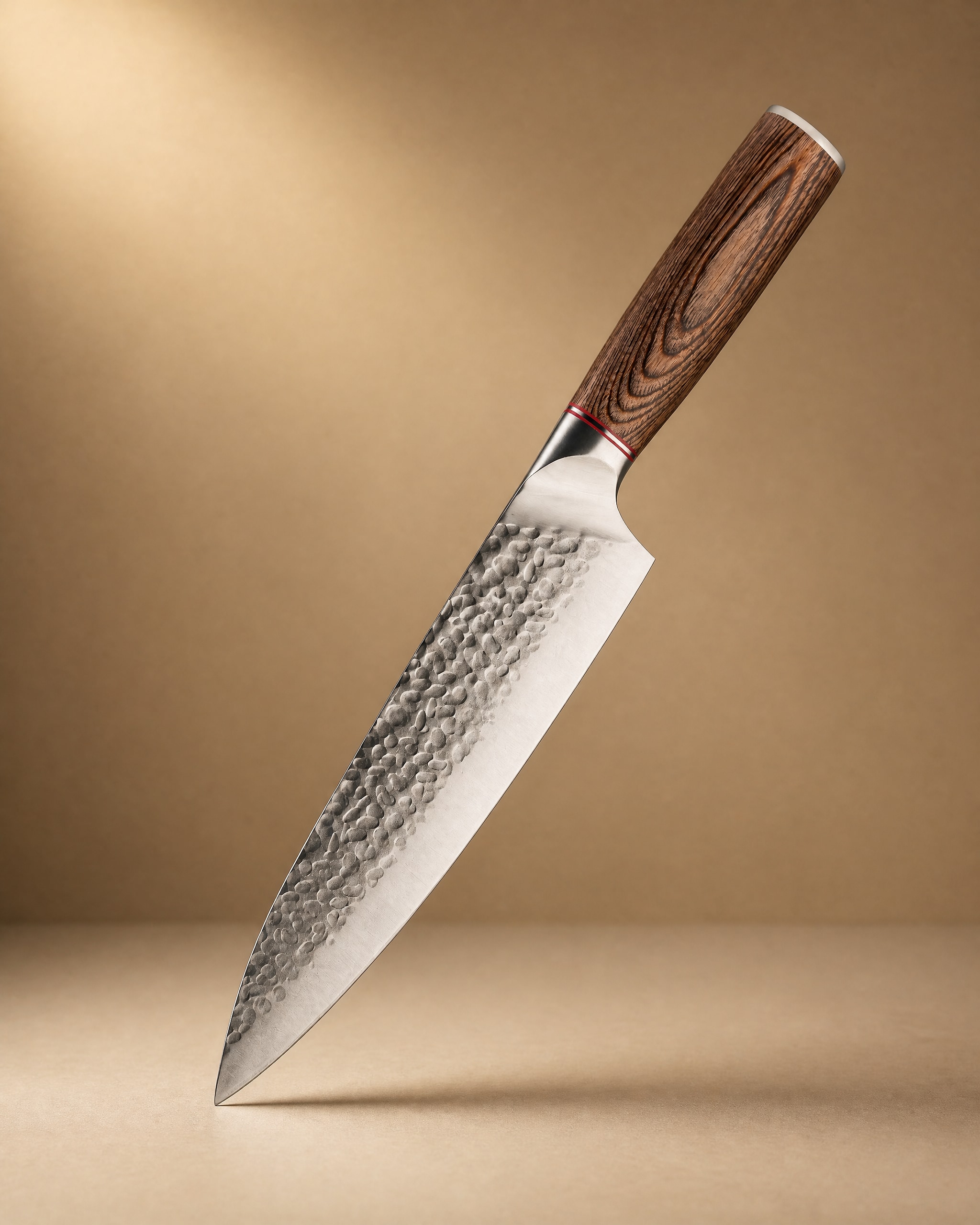 Akan 8'' Gyuto Knife 牛刀$49.99View product →, a diamond plate is a good tool for occasional repair, but the edge you actually cook with will come off a water stone at 1000 to 3000 grit. The same applies to
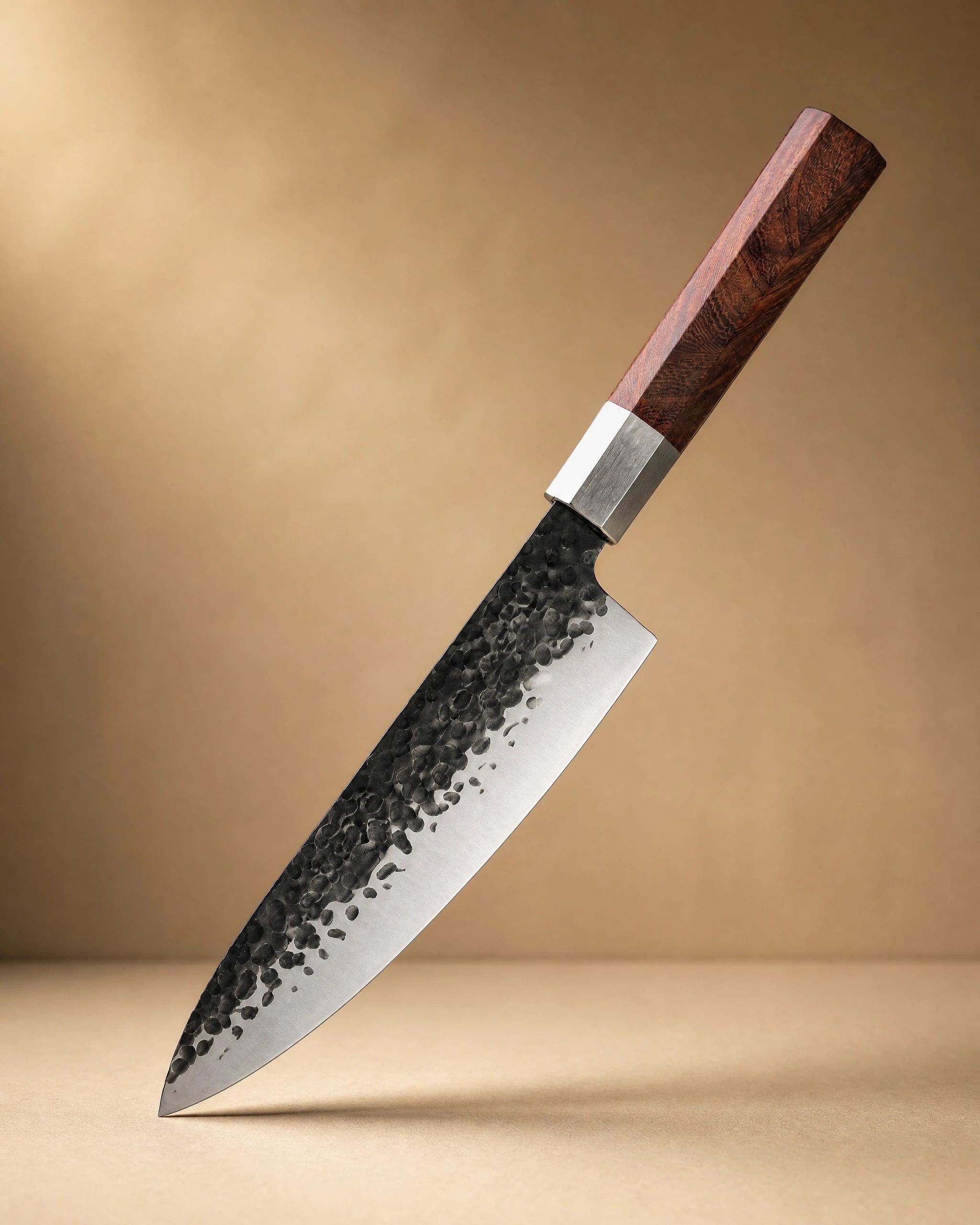 Sendai 8" Steel Gyuto Knife 牛刀$49.99View product →, where a refined apex shows up clearly in slicing performance.
Bread knives are a separate case. A serrated edge does not get sharpened on the flat face of a stone at all. A knife like 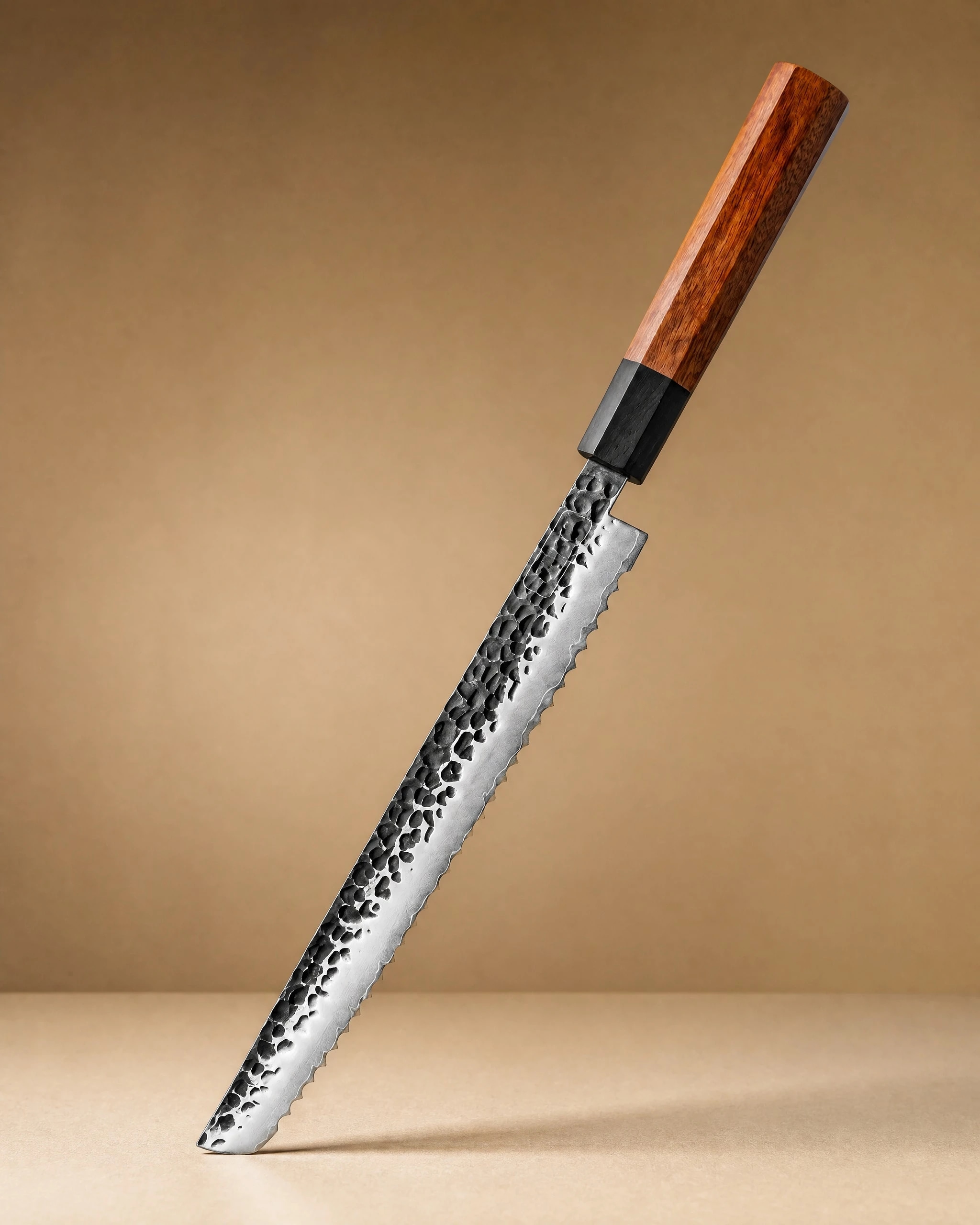 Rumoi 10" Japanese Bread Knife パン切りナイフ$59.99View product → needs a thin round file or a tapered rod, one scallop at a time. If you are unsure how to approach a knife you own, the knife care guide walks through the basics before you touch an abrasive to the edge.
How to Use a Diamond Plate Without Wrecking an Edge
Light pressure is the whole game. Diamond cuts by scratching, and pressure drives the scratches deeper. Use the weight of your hands and let the abrasive do the work. If you find yourself pushing hard, the plate is telling you it is time to move to a finer grit, not to lean in harder.
Keep the plate wet. A splash of water carries away swarf and keeps the surface from loading up. It also keeps heat down, which matters on thin edges.
Hold your angle steady. Diamond plates are very flat, which makes them a good surface for learning consistency, but they do not forgive a wandering wrist. Check the bevel with a marker pen if you are unsure whether you are hitting the edge.
Do not finish on diamond unless you like a toothy edge. Move to a water stone or a ceramic hone for the last few passes.
Caring for the Stone
A diamond plate needs very little. Rinse it after use, wipe it dry, and store it flat. Do not scrub it with anything abrasive. Over time the diamonds dull rather than fall out, and a plate that stops cutting is simply finished. That usually takes years of regular use.
One habit worth building: keep the plate for sharpening and flattening only. Do not use it on anything that will clog the surface with soft metal or resin.
Choosing Your First Diamond Stone
If you are buying one, buy coarse. A plate in the 300 to 400 mesh range will flatten your water stones, fix chips, and set a bevel on a dull knife. Add a medium plate later if you find yourself reaching for it. The knife guide covers how steel type and hardness affect which abrasives make sense for your kit.
Consider how your knives are made, too. A full set like 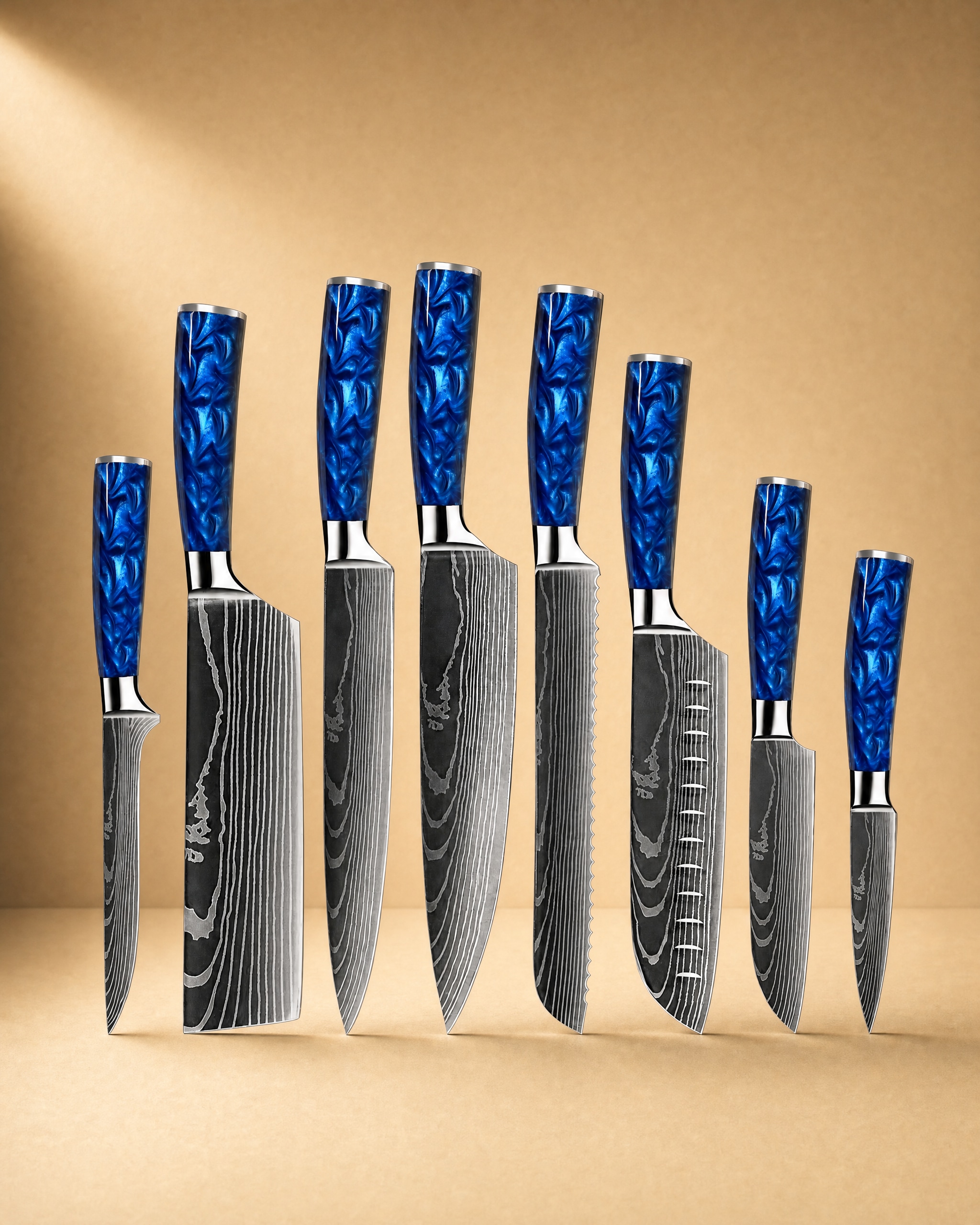 Shinano 信濃川 Damascus Pattern Stainless Steel Kitchen 8 Knife Set$149.99View product → covers a lot of daily work, and a single coarse plate plus a medium water stone will maintain all of it. For a mixed collection, the diamond plate handles repair while the water stone handles refinement.
What the best diamond sharpening stone means for you depends on the work you do. A lapping plate that lives next to your water stones is a different purchase from a coarse repair plate that travels in a knife roll. Decide which job you have, then buy for that job.
If you want to see the knives these techniques are meant for, browse the full knife shop.
The Short Version
Diamond earns its place as a repair and maintenance tool, not as your finishing stone. Use it to flatten, to fix, and to reset. Finish on water stones or ceramic. Keep pressure light, keep the plate wet, and let the abrasive do the cutting.
Get that balance right and a diamond plate becomes one of the most useful things on your bench, not a shortcut that chews through your favorite knife.


