
Best Wooden Chopping Board Buying Guide

A good chopping board is the foundation of safe and pleasant cooking. It gives you a stable surface, protects your knife edge, and keeps your work area clean. The best wood cutting board options are durable, gentle on steel, and easy to maintain. This guide covers everything you need to know before buying a wooden board, so you can pick one that will last for years.
Why Wood Is the Best Cutting Board Material
Wood has been used for food preparation for centuries, and for good reason. It is naturally porous but also self healing. When a knife cuts into wood, the fibers separate and then close back up, which means the board tolerates repeated cutting without showing deep grooves. Plastic and glass boards can dull knives faster, and glass feels harsh under the blade. Bamboo is harder than most hardwoods, but it can also be tough on edges. For most home cooks, the best chopping board material is a true hardwood like maple, walnut, or cherry.
A wooden board also provides a slightly forgiving surface. Your knife makes clean cuts without bouncing or skidding, which gives you more control over your work. If you are looking for the best kitchen cutting boards, a thoughtfully crafted wood board is almost always the right answer.
Best Wood for Cutting Boards: Hardwood vs Softwood
The best wood material for cutting board use is a closed grain hardwood. Closed grain means the wood has a smooth, even texture that does not absorb liquids or harbor bacteria as easily as open grain wood like oak. Maple, walnut, and cherry are the most popular choices. Maple is very hard and affordable. Walnut is slightly softer but still durable, with a rich brown color. Cherry sits between the two and develops a warm patina over time.
Here is a quick list of wood types commonly used for cutting boards:
- Maple: dense and pale, a classic choice for butcher blocks
- Walnut: beautiful dark color, naturally antibacterial and kind to knives
- Cherry: medium hardness, smooth feel, and a reddish tone
- Teak: water resistant and ideal for outdoor use
- Acacia: affordable, hard, and visually striking
Softwoods such as pine or cedar are not a good chopping board wood. They dent easily and can leave fibers in your food. For the ideal wood for cutting board purposes, stick to domestic hardwoods with a fine grain. A good chopping board wood is one that will keep its surface flat and resist moisture over time.
End Grain vs Edge Grain Cutting Boards
One of the most important decisions in a wooden board is the cut of the wood. Edge grain boards are made from boards laid side by side with the long grain running across the surface. They are sturdy, simple to make, and usually more affordable. End grain boards are made by cutting a large board into blocks and then gluing those blocks together with the end grain facing up. This creates a checkerboard or grid pattern on the surface.
End grain boards are widely considered the best end grain cutting board option because the knife blade enters between the fibers rather than cutting across them. That means the board is easier on your knife edges, and the surface tends to self heal after cuts. Many professional chefs prefer end grain for this reason. The tradeoff is that end grain boards require more wood to construct, so they cost more. They also need a little more oil over time because the exposed end grain absorbs more moisture.
If you are looking for the best chopping board for everyday use and do not want to spend a fortune, a good quality edge grain board is still excellent. If you want the best hardwood cutting board that feels luxurious and protects your tools, end grain is the way to go.
What to Look for in a Good Chopping Board
Beyond the wood type and grain orientation, there are a few practical features that make a board easier to live with. Thickness matters. A board that is at least 1.5 inches thick feels stable and will not warp as easily as a thin board. Thinner boards are fine for light work, but they tend to bow or crack over time. A thick board also adds weight, which keeps it from sliding around while you chop.
Size is another factor. A large board gives you room to work, but it also takes up storage space. For most kitchens, a board around 18 by 12 inches is a good all around size. If you regularly cook large meals or process big cuts of meat, consider a 20 by 15 inch board. Some boards have a juice groove around the edge to catch liquid from meat or vegetables. That is a nice addition, but it can reduce the flat surface area. Weigh those factors based on your cooking style.
A good quality chopping board should also feel smooth to the touch, with no rough spots or splinters. Run your hand across the surface before buying. The edges should be rounded so they do not dig into your wrists. A board with handles or feet can make it easier to lift and dry, but those are optional.
If you are looking for the best cutting board set or the best chopping board set for your kitchen, consider buying two boards: one for meat and one for vegetables. That prevents cross contamination. You can also choose a board with reversible sides, so you can use one side for meat and the other for produce.
How to Care for a Wooden Cutting Board
A good wooden board will last decades if you treat it right. The most important rule is to never put wood in the dishwasher. The heat and moisture can warp the board and degrade the glue. Hand wash with warm water and mild dish soap. Dry it immediately with a towel and stand it on edge so both sides can air out. Do not soak the board in water.
Wood needs oil to stay hydrated. Mineral oil or a food safe board conditioner is ideal. Apply a thin coat once a month or whenever the surface starts to look dry. Rub it in along the grain and let it absorb. This prevents the wood from cracking and minimizes staining.
If your board gets scratched or smells like garlic or onion, you can scrub it with coarse salt and half a lemon. The salt acts as a mild abrasive and the acid helps remove odors. Then wash and dry as usual. For deeper scratches, sand the surface lightly with fine sandpaper and re oil the board.
Your knife also benefits from a well maintained board. A dry, oiled wood surface keeps your cut from slipping. To keep your blade at its best, follow the simple routine in our knife care guide. Regular honing and proper storage make a noticeable difference. And when you choose a new knife, our knife guide can help you match the profile to your cooking style.
Pairing the Right Knife with Your Wooden Board
The best wood cutting board is only as good as the knife you use on it. A sharp, well balanced knife makes prep work faster and safer. For everyday slicing, dicing, and chopping, a gyuto is a great choice. The long blade lets you make clean cuts across a wide board. You can pair your board with a versatile Japanese knife like 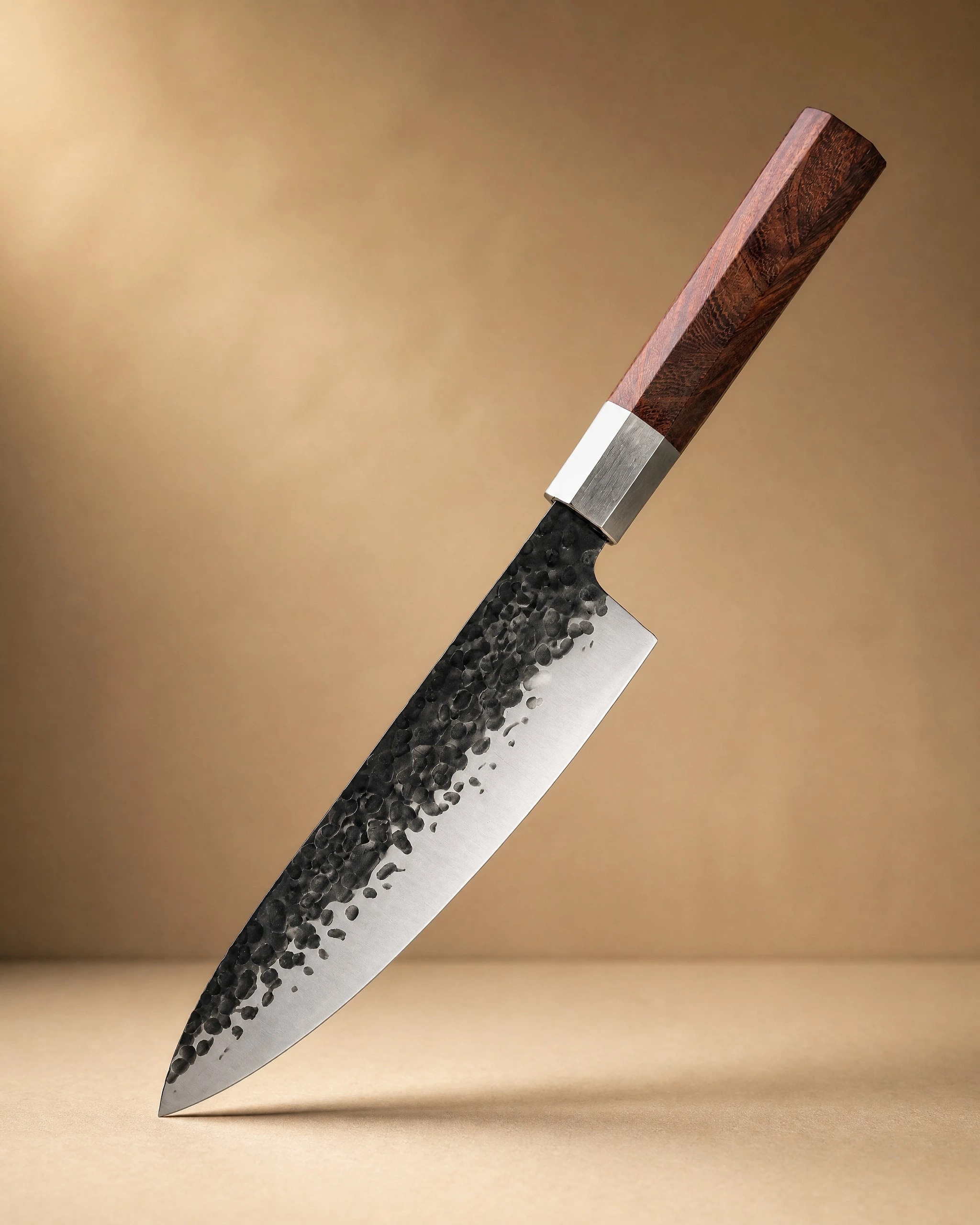 Sendai 8" Steel Gyuto Knife 牛刀$54.99View product → or
 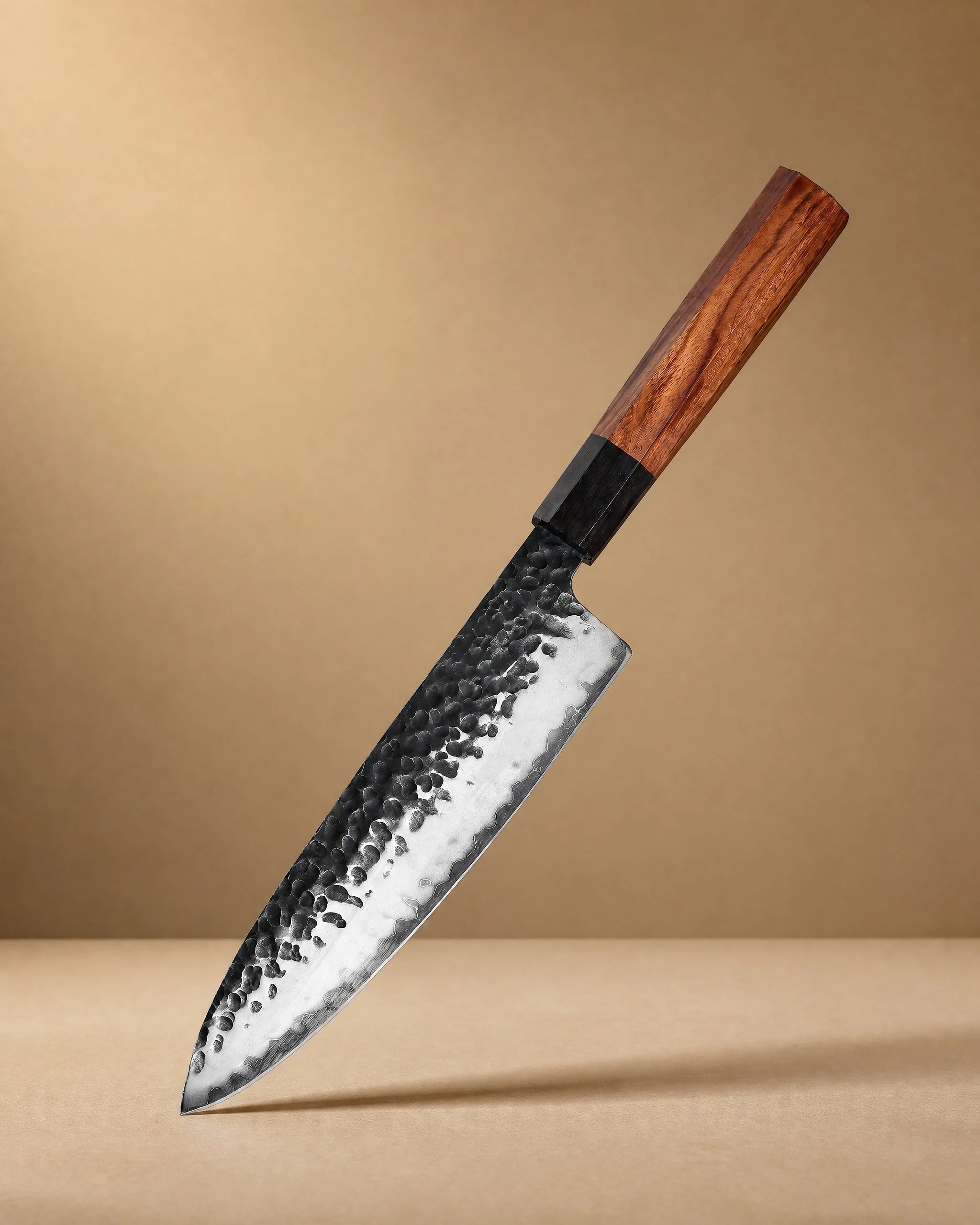 Tenjin 8" Stainless Steel Gyuto Knife 牛刀$69.99View product →. Both are 8 inch gyutos that handle most kitchen tasks with ease.
If you prefer a shorter, more nimble blade, a santoku is a wonderful option. The 5 inch size in 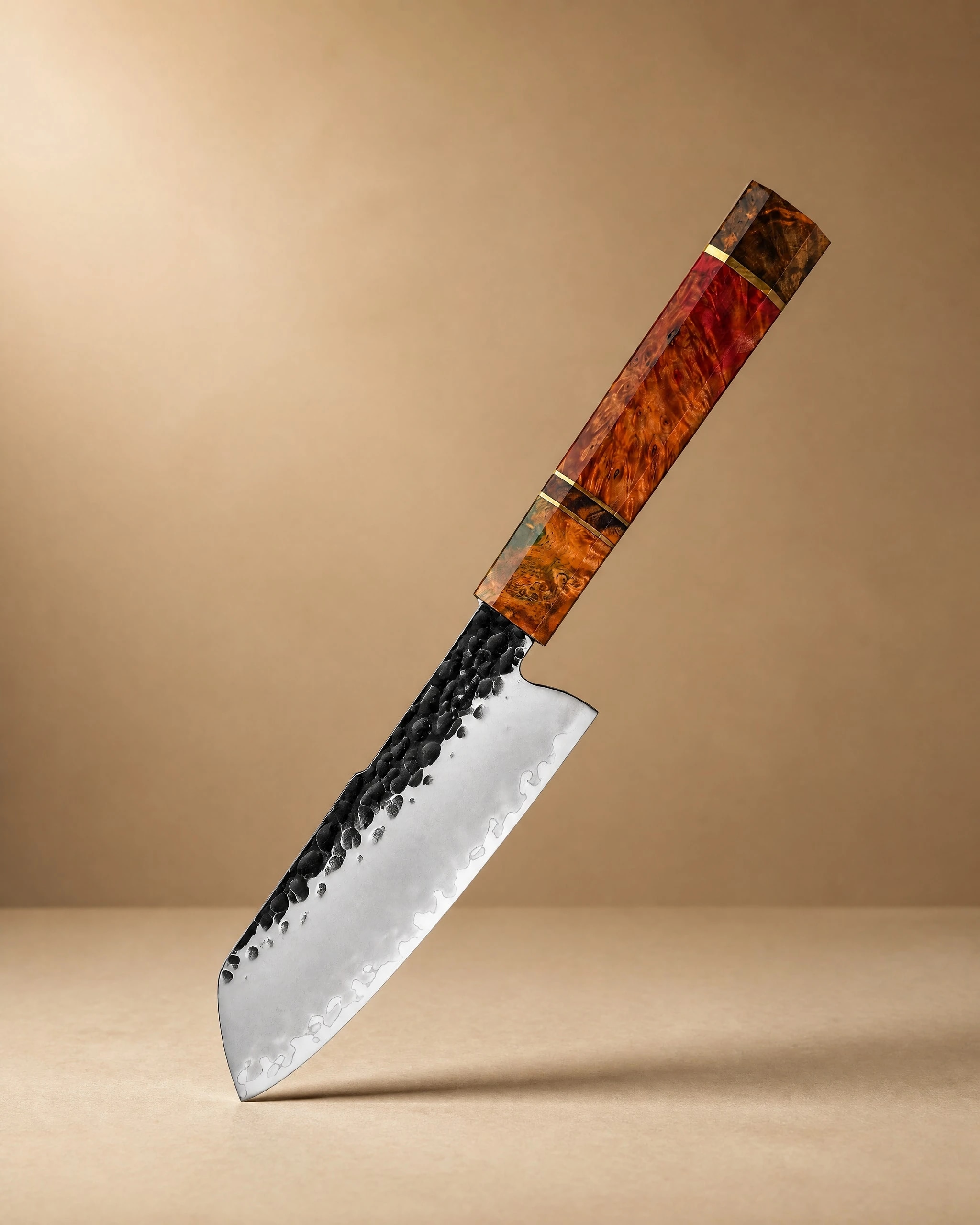 Ishikari 5" Santoku Knife 三徳包丁$79.99View product → gives you precise control for vegetables and smaller cuts. For larger jobs, such as breaking down a roast or slicing melons, a longer 8.5 inch blade like
 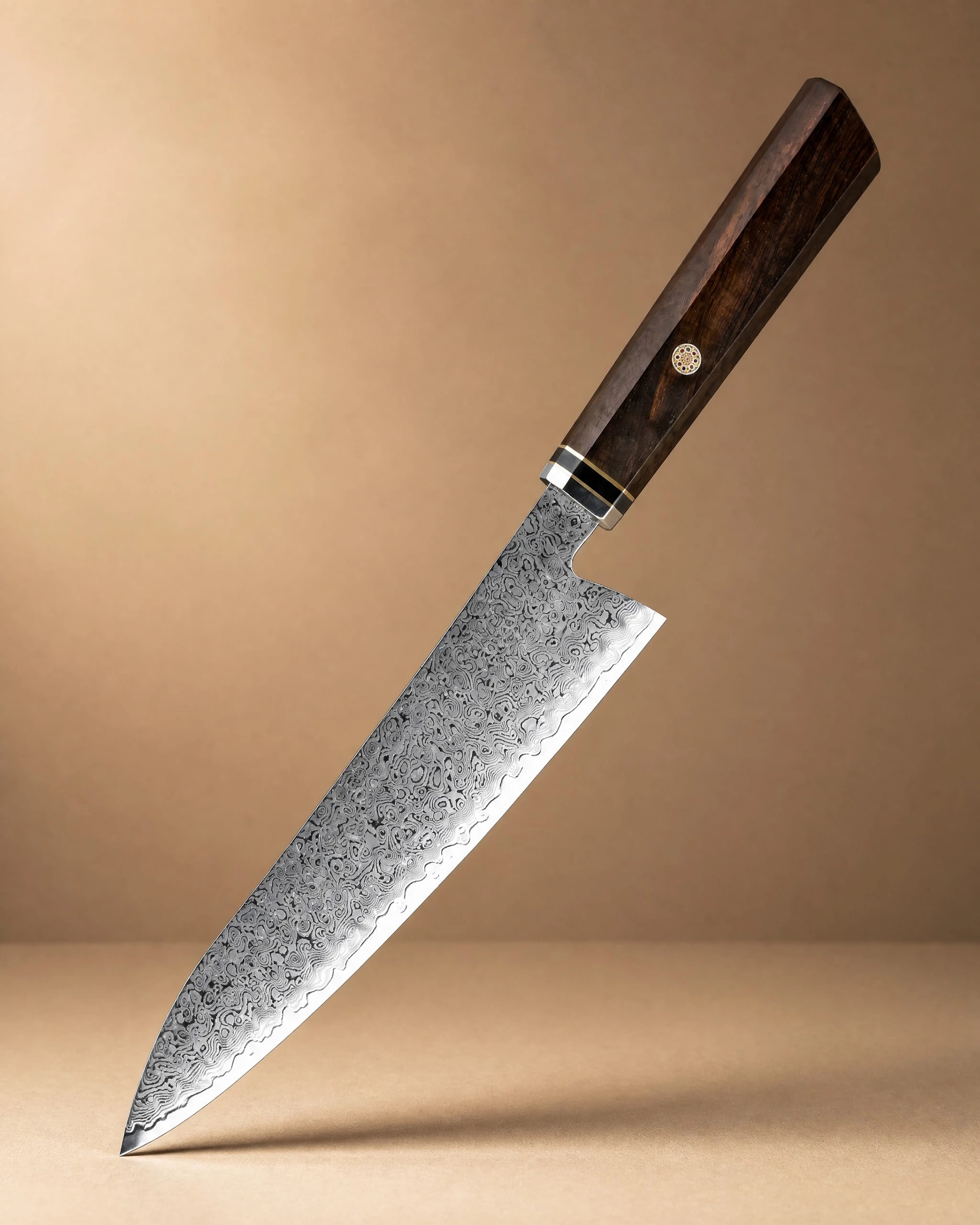 Sakawa 8.5" Damascus Steel Gyuto Knife 牛刀$94.99View product → gives you extra reach. No matter which knife you choose, a solid wooden board provides the right surface to protect the edge and give you stability.
When you are ready to upgrade your setup, browse our full line of kitchen knives at our shop to find the right tool for your board.

Putting It All Together
The best chopping board is one that fits your cooking habits and your workspace. If you want a low maintenance everyday board, choose edge grain maple or acacia. If you want maximum knife friendliness and do not mind a little extra care, invest in an end grain board. Look for a board made from a closed grain hardwood like maple, walnut, or cherry. Give it a solid thickness and a size that fits your counter and your storage area.
Take care of the board with regular washing, oiling, and occasional sanding. Pair it with a good knife to make cooking more enjoyable. The right combination of wood and steel will serve you well for many years. Whether you start with a single board or a set, a wooden cutting board is a worthwhile addition to any kitchen.
Photography: Sergey Kotenev via Unsplash.


