
How to Choose a Whetstone

Understanding the Whetstone: A Foundation for Sharp Knives
Choosing a whetstone can feel overwhelming. With so many options, you might wonder which grit, size, or material is right for your kitchen knives. The truth is that a good whetstone is the most effective tool for maintaining a razor edge on Japanese knives, and the right choice depends on what you sharpen and how often. This guide will walk you through the key factors so you can pick a whetstone that fits your needs and your skill level.
First, it helps to understand what a whetstone is. Also called a knife sharpening stone or sharpening stone, these blocks of abrasive material remove metal from the blade’s edge to create a new, sharp bevel. The term “whetstone” simply means a stone used for sharpening. You’ll also see them called water stones because most modern whetstones require water as a lubricant. The grit number indicates how coarse or fine the abrasive is. Lower numbers like 200 or 400 are coarse; higher numbers like 3000 or 6000 are fine. A typical sharpening session uses two or three stones: a coarse stone to set the edge, a medium stone to refine it, and a fine stone to polish.
Grit: Matching Coarseness to Your Blades
The most important decision in choosing a whetstone is grit selection. If you are sharpening a dull or damaged knife, start with a coarse whetstone, usually between 200 and 600 grit. This quickly grinds away enough metal to form a new edge. A 400 grit stone is a common choice for initial sharpening. For routine maintenance on a knife that is still fairly sharp, a medium grit stone around 1000 to 2000 works well. Many home cooks find a 1000 grit stone versatile enough to handle both tasks with a bit more time.
After the medium stone, you often move to a fine grit to polish the edge. Stones from 3000 to 8000 grit produce a mirror finish and a very sharp, but sometimes more delicate, edge. For kitchen knives used daily, 3000 or 4000 grit is usually plenty. Going higher than 6000 can create an edge that is too keen for heavy chopping and may dull faster. If you own a high quality Japanese knife like a or 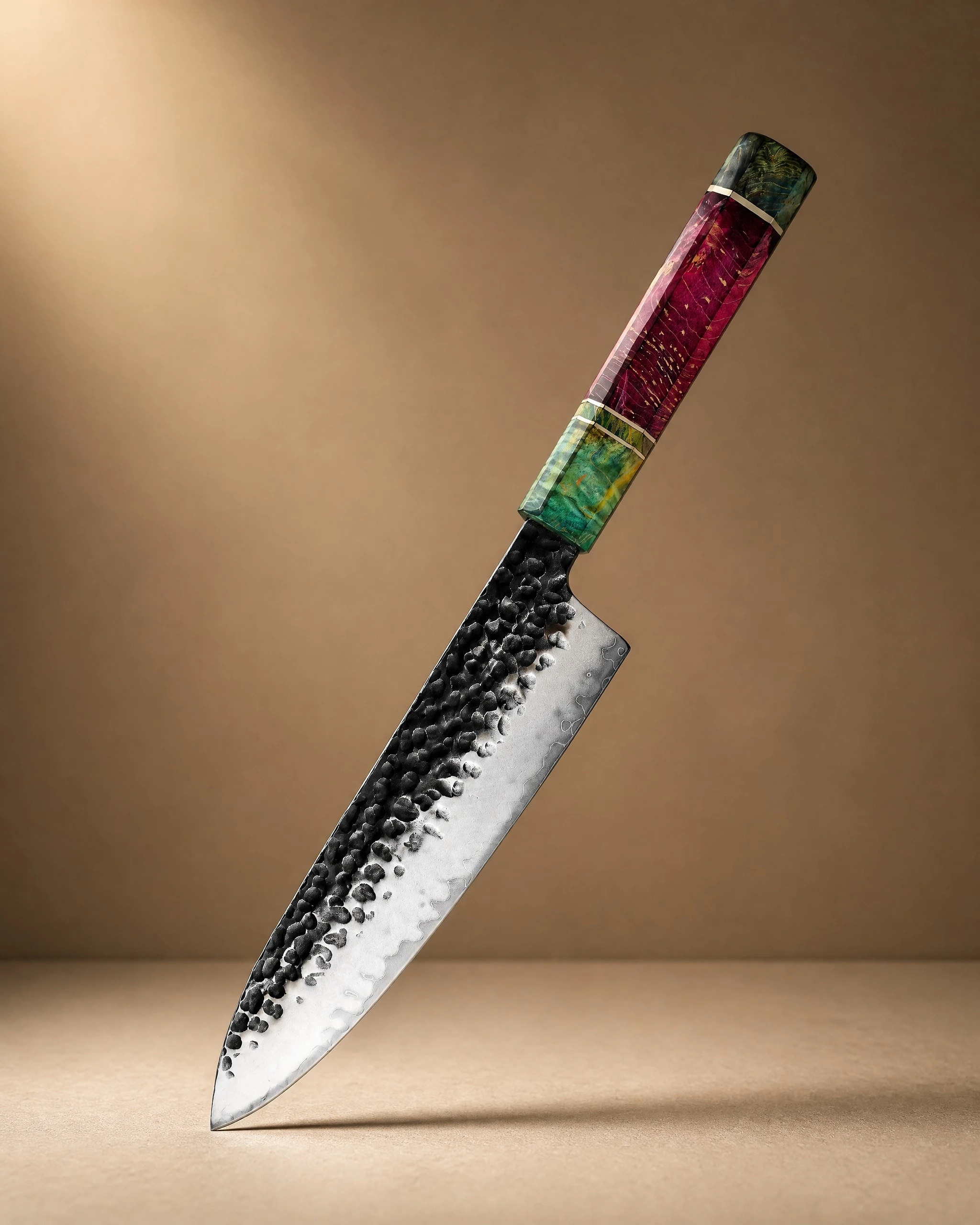 Natori 8" Gyuto Knife 牛刀$69.99View product →, a medium to fine finish will preserve its performance without overpolishing.
Types of Whetstones: Soaking vs. Splash and Go
Whetstones come in two main varieties based on how they are lubricated: soaking stones and splash and go stones. Soaking stones, typically made of synthetic materials like aluminum oxide or silicon carbide, must be submerged in water for 10 to 15 minutes before use. They absorb water which acts as a lubricant to carry away swarf (metal and stone particles). These stones are often less expensive but require planning ahead. They can also be messier because the slurry needs to be rinsed off frequently.
Splash and go whetstones, on the other hand, only need a few spritzes of water from a spray bottle. They are much more convenient for quick touch ups and are popular among professional chefs. These stones are usually ceramic or resin bonded and tend to last longer. They cost more but save time and hassle. For most home cooks, a splash and go stone in the 1000 to 3000 grit range offers the best balance of performance and convenience. If you sharpen only a few times a month, a soaking stone is fine. If you sharpen weekly, consider a splash and go.
Stone Materials: What’s Inside Matters
The abrasive material in a whetstone determines how quickly it cuts and how it feels. Common materials include aluminum oxide, silicon carbide, and ceramic. Aluminum oxide is the most common and works well for most stainless and carbon steels. Silicon carbide is harder and cuts faster, making it a good choice for very hard steels or for coarse sharpening. Ceramic stones are very hard and wear slowly, but they can be brittle. For Japanese knives with harder steel (around 60 to 65 HRC), a medium hardness aluminum oxide stone is a reliable choice.
Natural whetstones exist, such as Japanese water stones from specific regions, but they are expensive and inconsistent. For most people, synthetic stones are more practical and deliver repeatable results. A good knife sharpening stone for the kitchen should be durable, flat, and available in the grits you need. Avoid cheap stones that dish out quickly or break apart.
Size and Shape: Surface Area Matters
Whetstone dimensions affect ease of use. A stone that is too small makes it hard to keep a consistent angle over the entire blade length. Look for a stone at least 7 inches long and 2 inches wide. Standard sizes are around 8 x 3 inches, which is comfortable for most chef knives. Thickness also matters; thicker stones last longer before they need flattening. A 1 inch thick stone is better than a half inch stone for longevity.
Some stones come with a base or non slip silicone mat, which is helpful. You can also buy a separate stone holder or use a damp towel under the stone to prevent sliding. If you have a long knife like a 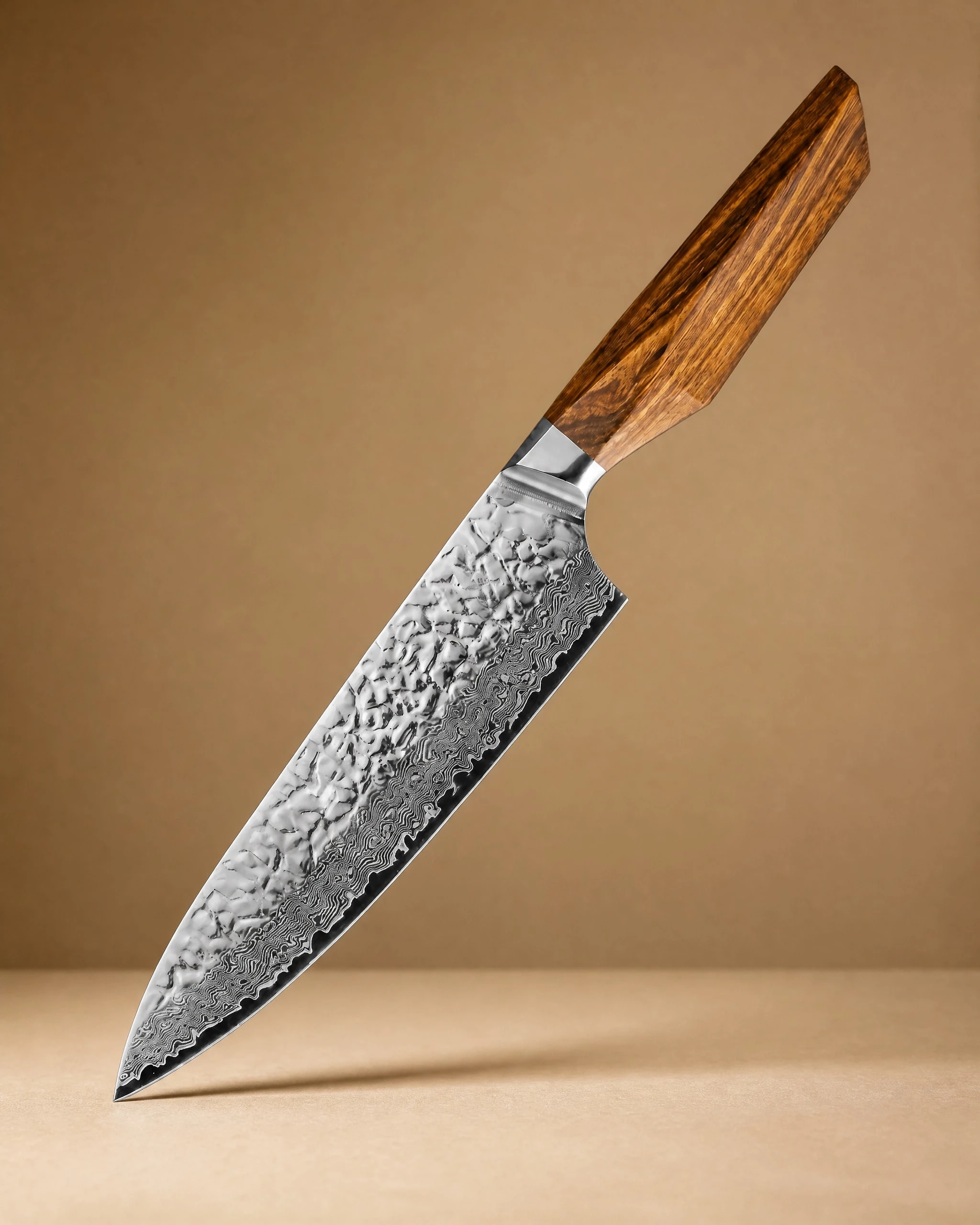 Muko 7.9" Damascus Steel Gyuto Knife 牛刀$79.99 · currently out of stockView product →, a larger stone gives you more working space.
Single Stone vs. Combination Stones
You can buy whetstones individually or as combination stones with two grits bonded together (e.g., 1000/6000). Combination stones are convenient and save money, but they have downsides. The two sides often wear at different rates, and you cannot replace one side if it wears out. Also, the thickness is usually half for each grit, meaning less usable abrasive. For beginners, a combination stone is a fine start. For serious sharpeners, separate stones offer better performance and control.
If you are just starting, a 1000/6000 combination stone is a popular choice. You can sharpen dull knives on the 1000 side and then polish on the 6000 side. As you gain experience, you may add a 400 grit stone for heavy repairs.
Flattening: Keeping Your Stone Level
Whetstones wear unevenly, developing a concave or dished surface. A dished stone will ruin your edge because it can’t maintain a consistent angle. You must flatten your stone periodically. You can use a flattening stone, diamond plate, or silicon carbide powder on a flat surface. A good practice is to flatten before each sharpening session, especially if you use the stone often. Some whetstones come with a nagura stone, which is a small stone used to create slurry and also help flatten. But a dedicated flattening tool is more reliable. Neglecting to flatten a whetstone is a common mistake that leads to poor results.
Maintenance and Storage
After using a whetstone, rinse it thoroughly and let it air dry completely before storing. Never store a soaking stone in water; it can degrade the binder. Keep stones in a dry, cool place. A stone that is stored in a humid environment can grow mold. Also, avoid dropping stones on hard surfaces; they can crack. Good knife sharpening stone care extends its life and ensures consistent performance.
Matching the Stone to Your Knives
Your knife’s steel type and hardness should influence your choice. Softer stainless steels (under 58 HRC) can be sharpened on a medium aluminum oxide stone easily. Harder Japanese knives with high carbon steel (60+ HRC) respond better to a finer grit, and they may need a stone that doesn’t wear too fast. For very hard powdered steels, consider a diamond stone or ceramic stone. But for most home cooks owning a Japanese knife like the 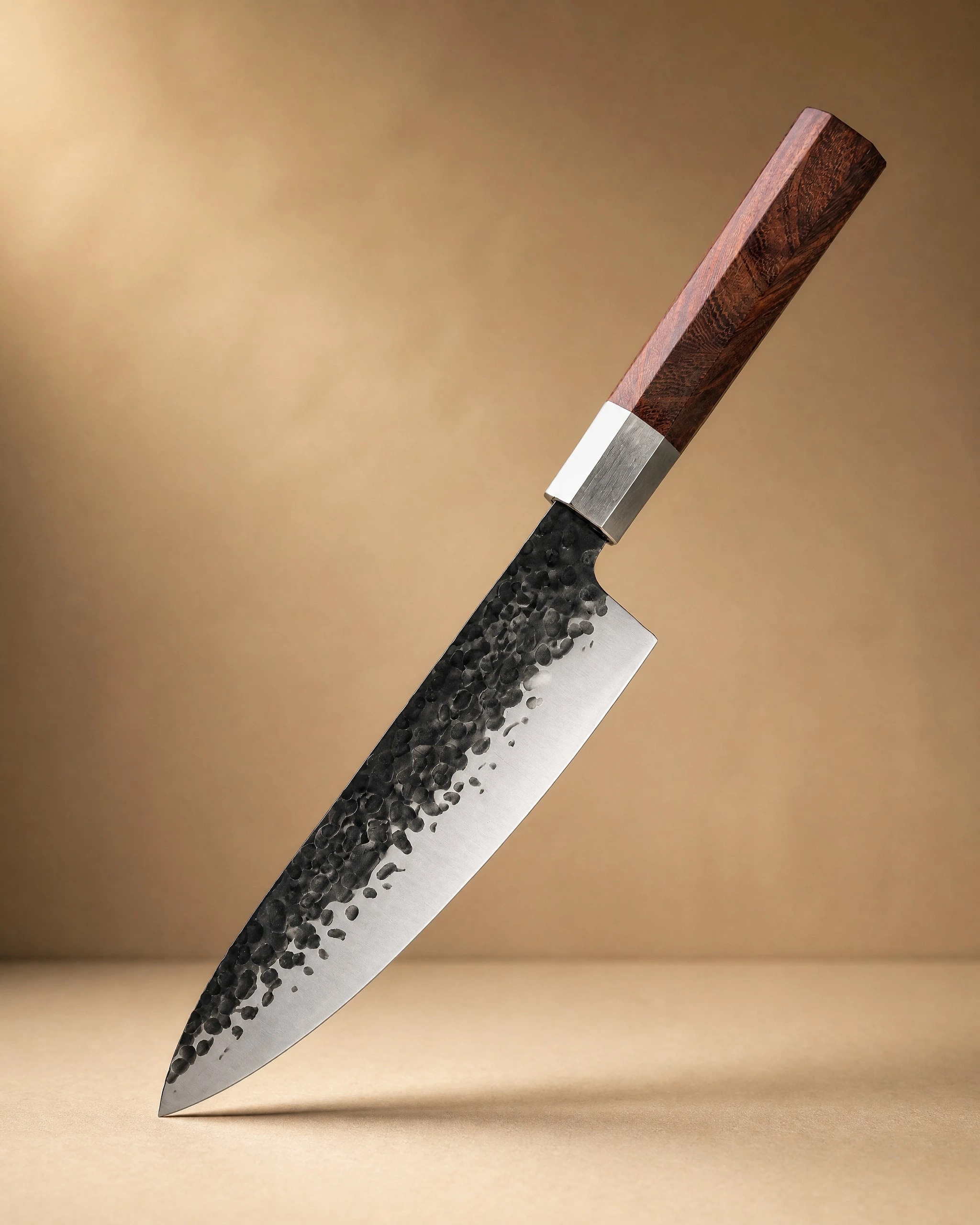 Sendai 8" Steel Gyuto Knife 牛刀$49.99View product →, a quality aluminum oxide whetstone in 1000 grit and 3000 grit will produce excellent edges.
If you are unsure, start with a versatile 1000 grit whetstone. It can handle dull knives with a bit of patience and also refine an edge. Many chefs use a 1000 grit stone as their only sharpening tool and achieve impressive results. You can always add a 3000 or 6000 stone later for a finer finish.
Learning the Technique
Owning a great whetstone doesn’t automatically give you sharp knives. Technique matters. Sharpening a knife with a sharpening stone requires consistent angle, even pressure, and patience. The typical angle for Japanese knives is 10 to 15 degrees per side. Use light pressure; let the stone do the work. Watch a few videos or practice on older knives. It takes time, but the reward is a knife that cuts effortlessly. A whetstone is a learning tool as much as a sharpening tool.
If you are new to knife sharpening on stone, consider buying a cheap knife to practice. Once you get the hang of it, you can maintain your good knives with confidence. Many people find the process meditative. And once you experience a truly sharp edge from a whetstone, you won’t want to go back to pull through sharpeners.
Learn more about knife care and storage to protect your investment.
If you are still deciding which knives to sharpen, read our guide to choosing a Japanese kitchen knife.

Our Top Whetstone Recommendations
We carry a carefully selected range of whetstones that suit different budgets and skill levels. For a starting setup, a 1000/6000 combination stone is excellent. For serious cooks, a set of separate 400, 1000, and 3000 grit stones covers all needs. All our stones are selected for consistent quality and performance. You can browse the full selection in our knife and sharpening store. If you have questions, contact us.
Final Thoughts on Choosing a Whetstone
Selecting the best whetstone for your kitchen reduces to a few key factors: the grit you need, the type of stone (soaking or splash and go), and the material compatibility with your knives. A good knife sharpening stone is an investment that saves you money on professional sharpening and keeps your blades cutting well. Take the time to learn proper technique, maintain your stone flat, and store it correctly. You’ll enjoy the satisfaction of a sharp knife every time you cook.
Whether you are sharpening a budget knife or a premium Japanese gyuto, the right whetstone makes all the difference. Start with a medium grit and a quality brand. Replace stones when they wear out. And remember, sharp knives are safe knives. A dull blade requires more force and can slip. A properly sharpened knife from a good whetstone gives you control and precision.
Photography: Alexey Demidov via Unsplash.


